BY PC Bureau
February 28, 2026: Verified reports from multiple credible international sources confirm that one of the primary focal points of the February 28, 2026, joint U.S.–Israeli military operation against Iran was a strike targeting areas associated with Iran’s Supreme Leader, Ali Khamenei, in the capital city of Tehran. Explosions were reported in close proximity to Khamenei’s official offices and residential compound, marking an unprecedented escalation in the direct targeting of Iran’s top leadership infrastructure.
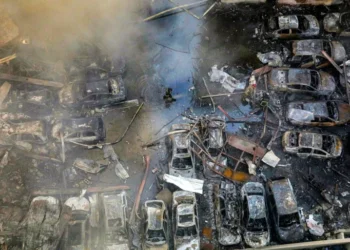
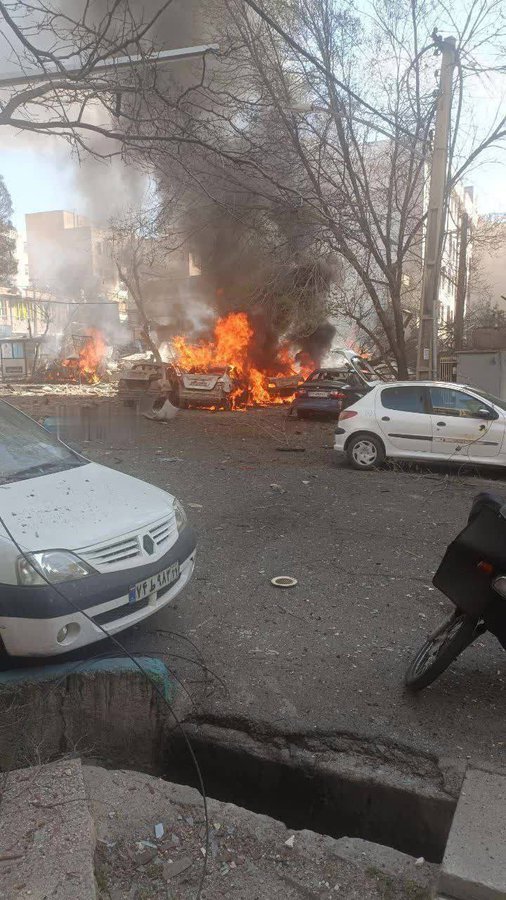
Initial reports from Western and regional intelligence-linked sources indicate that the strike hit high-security zones believed to house Khamenei’s administrative and residential facilities. Satellite imagery, eyewitness accounts, and open-source video footage showed smoke rising from the area shortly after the explosions. While some unofficial sources claimed the residence itself sustained severe damage or destruction, there has been no formal confirmation regarding the full extent of structural impact.
Khamenei’s residence in Tehran destroyed 👇
THE US MILITARY IS NOW STRIKING IRAN, PER MULTIPLE REPORTS The strikes are occurring WAY beyond Tehran “This is NOT solely an Israeli action. And it is NOT a small strike.” pic.twitter.com/jEpTp59Rqk— DJ BROID (@DjBroid) February 28, 2026
Critically, Khamenei was not present at the compound during the attack. According to multiple officials and intelligence-linked reports, he had been relocated to a secure, undisclosed location prior to or during the strike as part of emergency continuity-of-government protocols. His current condition is reported as safe, though Iranian authorities have not publicly disclosed details of his movements or security arrangements.
The strike on locations associated with Khamenei formed part of a broader, coordinated military campaign conducted jointly by Israel and the U.S. Department of Defense. The operation targeted strategic military, intelligence, and infrastructure sites across several Iranian cities, including Isfahan, Qom, Karaj, Kermanshah, and Khorramabad. U.S. forces reportedly conducted dozens of air and missile strikes from regional bases and naval platforms, operating in coordination with Israeli military assets.
READ: US Joins Israeli Strikes on Iran as Explosions Rock Tehran
The apparent targeting of locations linked to Iran’s Supreme Leader represents a significant escalation beyond previous strikes focused primarily on nuclear infrastructure or military facilities. Analysts assess that such a move signals an expansion of operational objectives to include leadership-adjacent command and symbolic centers of power.
READ: US Joins Israeli Strikes on Iran as Explosions Rock Tehran
Iranian state media confirmed explosions in central Tehran but did not officially acknowledge damage to Khamenei’s residence. Iranian officials have warned that any attack on sovereign territory or leadership institutions would trigger a response, though no direct retaliation has been reported as of this writing.
The situation remains highly volatile, with the potential for rapid escalation depending on Iran’s response. The targeting of areas associated with Iran’s highest authority marks a critical turning point in the conflict, with far-reaching military, political, and geopolitical implications.