Israeli air defence systems, including Iron Dome, were activated to intercept incoming threats, though some strikes reportedly caused damage. Hezbollah intensified attacks from Lebanon, carrying out dozens of operations including rockets, drones and anti-tank strikes. The Ansar Allah and Iraq-based militias have also joined the offensive, stretching Israel’s defences across multiple fronts.
BY PC Bureau
April 4, 2026: Israel is facing sustained, multi-front pressure, with coordinated attacks launched not only directly from Iran but also by allied groups including Hezbollah in Lebanon, the Ansar Allah, and Iran-aligned Shia militias operating out of Iraq.
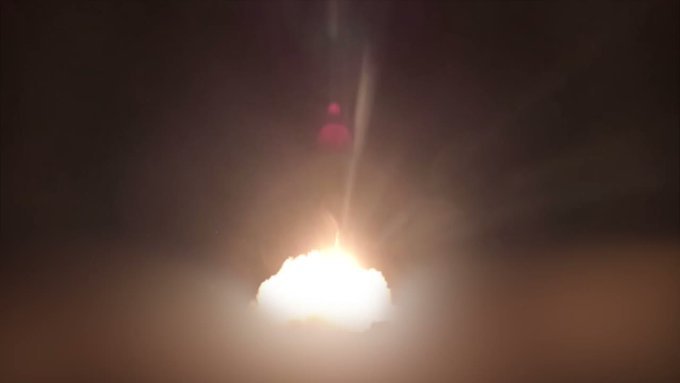
In the latest escalation, Iranian forces launched what they described as the 94th wave of “Operation True Promise 4,” a large-scale assault involving ballistic missiles and suicide drones targeting Israeli military and strategic sites.
According to Iranian claims, strikes were directed at key locations across southern, central, and northern Israel, including areas around Tel Aviv. Reported targets included sensitive sites such as Dimona—home to Israel’s nuclear research facilities—as well as the Negev region, Beersheba and Ramat Gan.
Iranian ballistic missiles and drones destroyed key industrial-military centers as well as locations housing commanders and units of the child-killing Zionist regime in southern, central and northern occupied territories and Tel Aviv in the 94th wave of Operation True Promise 4. pic.twitter.com/LVeVJ7tMR4
— Tasnim News Agency (@Tasnimnews_EN) April 4, 2026
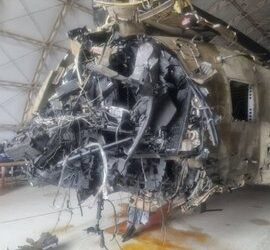
READ: Iran claims strike on US Chinook helicopter in Kuwait
Iranian sources said the barrage was designed to overwhelm Israel’s layered air defence systems, including Iron Dome, David’s Sling and Arrow missile system, using a saturation strategy combining missiles and drones.
The attack reportedly involved a mix of advanced ballistic missiles, including the Khorramshahr missile, Kheibar-Shekan missile and Emad missile. Some were said to be equipped with precision-guided warheads and multiple re-entry vehicle capabilities to increase the chances of penetration.
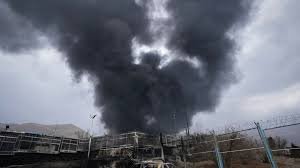
While Iranian officials framed the strikes as precise attacks on military targets under a “fire-for-fire” doctrine, independent verification remains limited. Previous waves have resulted in confirmed damage and injuries in parts of southern Israel when interception systems were unable to stop all incoming projectiles.
The Islamic Resistance in Yemen also struck southern occupied Palestinian territories with ballistic missiles, while the heroic Islamic Resistance of Iraq successfully carried out 19 missile and drone operations in the past hour. https://t.co/d7NpbzHI1j pic.twitter.com/gTyp95uC5h
— Tasnim News Agency (@Tasnimnews_EN) April 4, 2026
Hezbollah steps up northern front
At the same time, Hezbollah reported carrying out dozens of operations against Israeli positions within a 24-hour period. These included rocket fire, drone attacks, anti-tank strikes and clashes along the لبنان-Israel border and into northern Israel.
The group has maintained a high operational tempo in recent weeks, often claiming dozens of daily attacks as part of its role in supporting the broader regional campaign against Israel.
Wider “Axis of Resistance” coordination
The attacks appear to be part of a broader coordinated strategy involving multiple Iran-aligned groups across the region:
- In Yemen, Ansar Allah has launched missiles and drones toward southern Israeli areas such as Eilat and the Negev.
- In Iraq, Shia militia groups have intermittently targeted Israeli and US-linked sites with drones and rockets.
This multi-directional pressure is aimed at stretching Israeli defences, forcing them to respond simultaneously to threats from Iran, Lebanon, Yemen and Iraq.
Highly fluid situation
Much of the reporting originates from Iranian and allied media sources, which often emphasise operational success while minimising civilian impact. Israeli officials, meanwhile, typically report high interception rates but acknowledge that some strikes have caused damage and casualties.
With the conflict now entering a prolonged and increasingly complex phase, the risk of further regional escalation remains high, as both sides continue to expand the scale and scope of their operations.