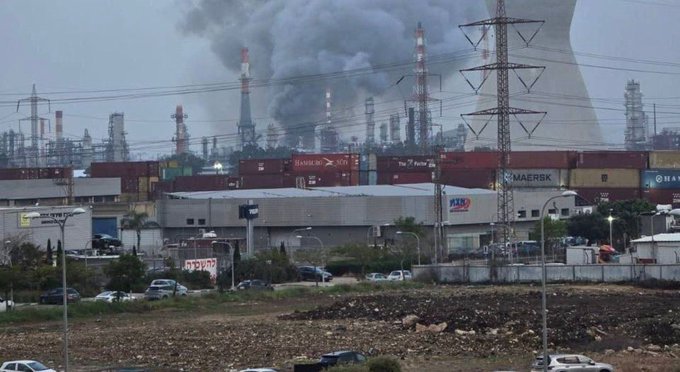
Defense Systems in Action: Israel’s Iron Dome and Arrow systems intercepted most incoming missiles. Air raid sirens blared across northern cities as authorities urged caution.
BY PC Bureau
March 19, 2026 – An Iranian missile barrage struck Israel’s northern port city of Haifa today, with reports confirming damage to the country’s largest oil refinery complex, operated by the Bazan Group. The attack marks a significant escalation in the ongoing direct confrontation between Iran and Israel, now in its third week following joint U.S.-Israeli operations against Iranian targets.
Israeli media outlets, including Globes and The Times of Israel, reported that shrapnel from an intercepted Iranian missile struck the Bazan refinery in Haifa Bay. Smoke was seen billowing from the facility, though initial assessments indicate no major structural damage or hazardous material leaks. Israel’s Ministry of Environmental Protection confirmed that fragments hit the site but caused no immediate environmental hazards.
READ: Iran Strikes Cripple Qatar LNG, 17% Supply Lost for Years
The strike occurred during what Israeli authorities described as the day’s ninth Iranian missile salvo. No injuries were immediately reported from the Haifa incident, though separate Hezbollah rocket fire wounded four people in Kiryat Shmona. Air raid sirens sounded across northern Israel, and Israel’s multilayered missile defense systems, including Iron Dome and Arrow, intercepted most incoming projectiles.
Iranian sources, including state-affiliated media, said the attacks targeted strategic energy infrastructure in retaliation for Israeli and U.S. strikes on Iranian oil and gas facilities, including recent hits on refineries in Tehran and the South Pars gas field. The Islamic Revolutionary Guard Corps (IRGC) has described such operations as part of “Operation True Promise,” employing ballistic missiles such as the Kheibar Shekan and drones like the Arash-2.
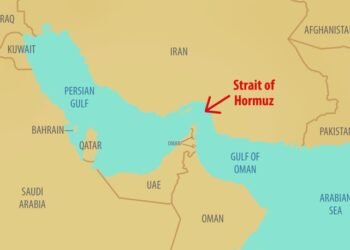
The Bazan refinery, Israel’s primary oil processing hub with a capacity of around 197,000 barrels per day, has been a repeated target in the conflict. Previous Iranian attacks in 2025 damaged pipelines and forced partial shutdowns, raising concerns about fuel supply disruptions. Today’s incident follows intensified Iranian strikes on Gulf energy sites, including Qatari LNG facilities and Kuwaiti refineries, which have driven global oil prices higher amid fears of broader supply chain interruptions.
READ:<
KEY HAIFA OIL REFINERY ABLAZE after Iranian missile attack
Israel’s Energy Minister Cohen: ‘no significant damage to infrastructure sites’ caused pic.twitter.com/sRAXg8STeS
— RT (@RT_com) March 19, 2026
/p>
Israeli Energy Minister [name if available] acknowledged damage to northern infrastructure, including parts of the electricity grid, but emphasized rapid response efforts to restore services. The Israel Defense Forces (IDF) stated that operations continue to degrade Iranian missile capabilities, with ongoing airstrikes targeting launch sites.
The attack comes as the conflict expands regionally, with U.S. forces involved in strikes on Iranian assets and Iran responding against American bases and Gulf allies. International observers warn of risks to global energy markets and potential further escalation involving proxies such as Hezbollah.
Israeli officials have vowed continued retaliation, while emergency crews in Haifa worked to secure the refinery site. No official casualty figures from the Haifa strike have been released as of late Thursday, and assessments of operational impacts on the refinery remain preliminary.
This is a developing story. More details are expected as Israeli and international sources provide updates.