Omani authorities said air defenses intercepted several drones but at least one hit fuel storage facilities inside the port complex. Officials confirmed no casualties and said national oil supplies remain uninterrupted.
BY PC Bureau
March 11, 2026: Iranian drones struck oil storage facilities at the Port of Salalah on Wednesday, marking a significant escalation in the widening Middle East conflict and bringing attacks closer to one of the Gulf region’s key logistics and energy hubs.
The British maritime security firm Ambrey first reported the strike, saying drones targeted fuel storage tanks inside the port complex. Omani state television and the Oman News Agency later confirmed the attack, reporting that several fuel tanks were hit and fires broke out within the port area.
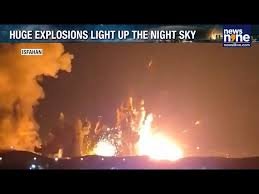
Footage circulating on social media showed thick plumes of black smoke rising from the facility, with multiple storage tanks engulfed in flames.
Omani authorities said air defense systems intercepted several incoming drones, but at least one evaded interception and struck the fuel storage zone. Security officials told state media that no casualties were reported.
Officials from Oman’s energy ministry said the incident has not disrupted national fuel supplies, adding that oil and petroleum product distribution across the country continues normally despite the damage.
READ: THE 400M BARREL GAMBLE: IEA Triggers Historic Oil Release to Counter Hormuz Blockade
The Port of Salalah, located on Oman’s Arabian Sea coast far from the volatile Strait of Hormuz, has grown in strategic importance in recent years as an alternative route for tankers seeking to avoid tensions in the Persian Gulf. The port handles major container traffic and plays a critical role in regional energy logistics and global shipping networks.
Drones have struck oil storage facilities in Oman’s Salalah port, as local authorities respond to a huge blaze.
The strikes come amid Iranian attacks on energy production, storage sites throughout the Gulf in response to ongoing US-Israeli attacks. pic.twitter.com/wtlQAJM7wc
— Al Jazeera Breaking News (@AJENews) March 11, 2026
Multiple reports from regional media and energy industry outlets attributed the strike to Iranian forces. Analysts say the attack appears to be part of a broader Iranian campaign targeting Gulf energy infrastructure in response to ongoing U.S. and Israeli military operations against Iran earlier this month.
Energy analysts note that such strikes could be aimed at disrupting alternative export routes and exerting pressure on global oil markets as the conflict widens.
The attack follows earlier drone and missile strikes reported at Oman’s Port of Duqm in early March, where fuel tanks were damaged and several workers were injured.
The incidents have raised concerns in diplomatic circles, particularly because Oman has traditionally maintained cordial relations with Iran and has often served as a mediator in regional disputes.
International maritime security agencies have advised vessels operating near Omani waters to exercise heightened caution.
Omani authorities condemned the attack and said security and emergency teams are monitoring the situation to ensure public safety. No immediate military response has been announced.
As the conflict enters its second week, the strike on Salalah highlights the expanding geographic scope of the confrontation, with energy infrastructure across the Gulf increasingly becoming a target.
Further developments are expected as regional governments and international actors assess the implications of the attack.