Reports say facilities including Iran University of Science and Technology were damaged in recent strikes, prompting Tehran to label academic sites as targets.
BY PC Bureau
March 29, 2026 — Iran’s Islamic Revolutionary Guard Corps (IRGC) has threatened to target American- and Israeli-affiliated university campuses across the Middle East, marking a significant escalation in the ongoing 2026 Iran war.
In a statement carried by Iranian state media on Sunday, the IRGC declared U.S.-linked educational institutions in the region “legitimate targets,” alleging that recent U.S. and Israeli strikes damaged at least two universities in Tehran.
The group issued an ultimatum to Washington: formally condemn the alleged bombing of Iranian universities by 12:00 p.m. on Monday, March 30 (Tehran time), or face retaliatory action against American campuses in the Gulf.
“If the U.S. government wants its universities in the region to be free from retaliation, it must condemn the bombing… in an official statement,” the IRGC said, urging students, faculty, and nearby residents to remain at least one kilometer away from such campuses.
Universities Reportedly Hit in Tehran
Iranian media reported that overnight strikes between Friday and Saturday damaged the Iran University of Science and Technology in northeast Tehran, with no casualties confirmed. Other reports referenced damage to Amirkabir University of Technology, though details remain unclear.
Iranian officials described the strikes as deliberate attacks on educational infrastructure, framing them as part of a broader assault on the country’s civilian and cultural institutions.
🚨 IRGC Issues Campus Warning 🇮🇷🇺🇸
Iran’s Revolutionary Guard warns U.S. and Israeli university campuses in the Middle East could be targeted unless recent strikes on Iranian institutions are condemned. 🏛️⚠️Tensions spike how will this affect safety and regional stability? 🌍💬 pic.twitter.com/2uIhg0rqnw
— Warwatch (@warwatchh) March 29, 2026
Gulf Campuses on Alert
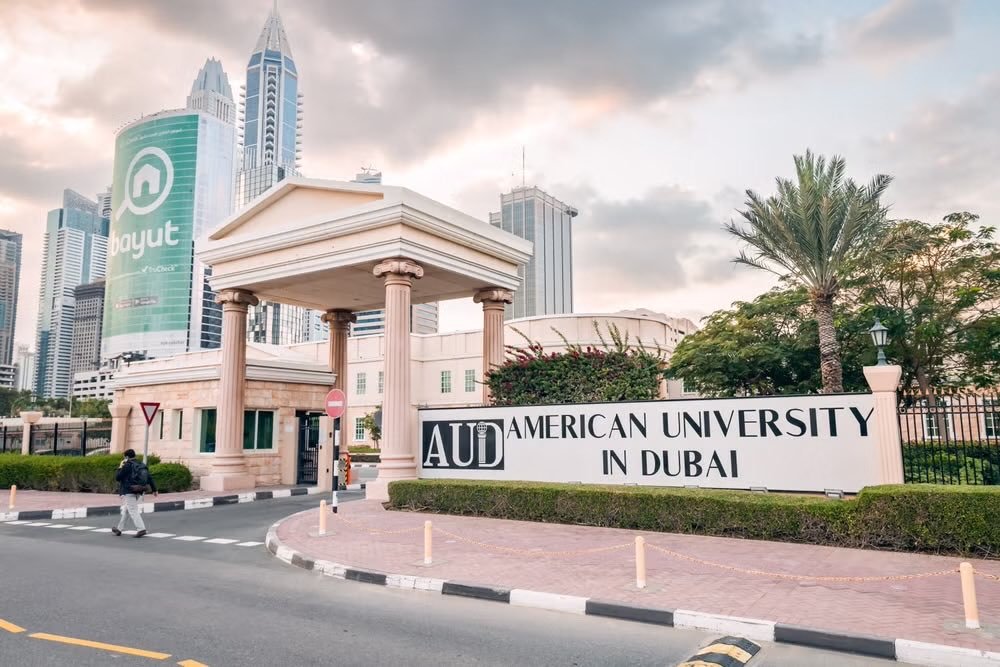
The threat places several high-profile American university branches in the Gulf at potential risk. These include Texas A&M University at Qatar, New York University Abu Dhabi, as well as campuses operated by Carnegie Mellon, Georgetown, Northwestern, and Weill Cornell in Qatar.
Many of these institutions have already scaled back operations amid the conflict, shifting to remote learning, suspending in-person classes, and assisting students seeking evacuation. Regional authorities have also heightened security following earlier missile activity near key urban centers.
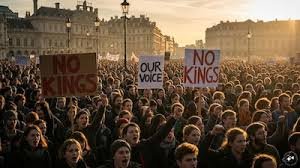
READ: Anti-Trump ‘No-King’ Protests Draw Millions Across US, Europe
War Context and Rising Stakes
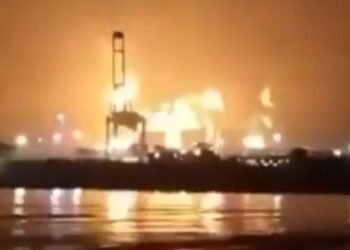
The latest threat comes amid a widening conflict that began on February 28, 2026, following large-scale U.S. and Israeli strikes on Iranian nuclear and military targets. Since then, both sides have exchanged sustained attacks, including missile and drone strikes targeting military and strategic assets.
Iranian authorities report widespread damage to civilian infrastructure, including schools and hospitals, with the inclusion of universities in recent strike claims triggering particular outrage in Tehran.
The IRGC warned that retaliation would continue “until two universities are struck,” though it suggested the attacks could be avoided if Washington issues the demanded condemnation.
A Dangerous New Phase
Analysts warn that targeting academic institutions—whether in Iran or abroad—signals a dangerous shift in the conflict, potentially drawing civilians and international educational networks into the line of fire. Gulf campuses host thousands of students from around the world, many enrolled in critical fields such as science, engineering, and business.
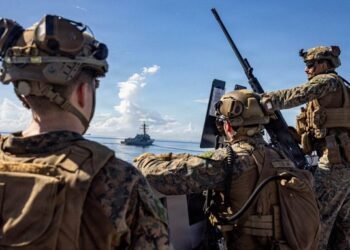
As the war approaches the one-month mark, regional tensions remain high. Armed groups aligned with Tehran have intensified attacks, while U.S. forces continue to reinforce defensive positions across allied territories.
The IRGC’s ultimatum appears aimed at increasing diplomatic pressure while demonstrating escalation capability. Whether the United States responds—or rejects the demand—may determine whether the conflict expands further into civilian domains.
This remains a developing story, with updates expected as the Monday deadline approaches and as universities and governments respond to the heightened threat.