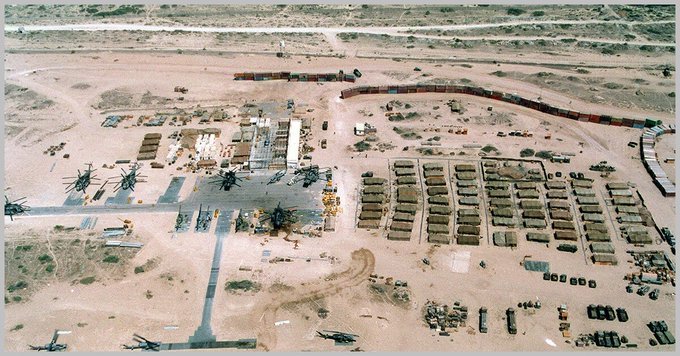
Bases in Kuwait, Qatar, Bahrain, and Saudi Arabia sustained structural damage, destroyed communications equipment, and craters near runways.The Pentagon has dispersed personnel to hotels, office spaces, and European locations, complicating command-and-control operations.
BY PC Burau
March 26, 2026: In a major escalation of the ongoing U.S.-Israel conflict with Iran, missile and drone attacks have severely damaged several American military installations across the Middle East, rendering many “all but uninhabitable.” Thousands of U.S. troops have been relocated to temporary facilities, including hotels, office buildings, and other ad hoc sites throughout the region—and even in Europe.
According to The New York Times, citing U.S. military officials, satellite imagery, and verified reports, around 13 primary U.S. bases in the region have sustained heavy damage. Bases in Kuwait, closest to Iran, were hardest hit, with collapsed roofs, craters, and destruction of communications and logistical infrastructure. Initial reports indicate three to six U.S. service members were killed at Camp Arifjan or nearby facilities, with additional casualties possible.
In a new piece titled "Iran’s Attacks Force U.S. Troops to Work Remotely," the NYT confirms the broad picture of the abandonment of US bases across the Persian Gulf. All of these details are widely known to those of us monitoring the situation, but it's significant to see them…
— Amerikanets 📉 (@ripplebrain) March 26, 2026
Targeted Strikes Across the Gulf
- Kuwait: Ali Al Salem Air Base, Camp Arifjan, Camp Buehring, and Shuaiba port facilities suffered structural damage, destroyed satellite communications, and cratered runways.
- Qatar: Al Udeid Air Base, hosting roughly 10,000 troops and serving as CENTCOM’s forward headquarters, was hit multiple times, affecting communications and operational facilities.
- Bahrain: The Fifth Fleet headquarters in Manama sustained damage, including to satellite terminals.
- Saudi Arabia: Prince Sultan Air Base experienced strikes on aircraft shelters, radar systems, and key infrastructure.
- Other Locations: UAE, Iraq, and potentially Jordan also reported damage to radar, communications, and buildings.
While U.S. air defenses intercepted most incoming projectiles, enough penetrated to inflict widespread damage. The estimated cost of repairing affected infrastructure, including high-value radar and satellite communications systems, runs into hundreds of millions of dollars.
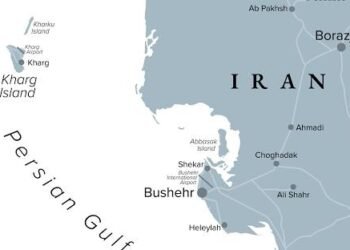
READ: With Traps, Mines, and a Stark Warning, Iran Prepares to Turn Kharg Into a Kill Zone
Troop Dispersal and Operational Challenges
With many bases compromised, the Pentagon has dispersed troops to makeshift facilities across the Gulf and Europe. This relocation has complicated command-and-control operations and highlighted vulnerabilities in pre-war risk assessments.
Prior to the conflict, approximately 40,000–50,000 U.S. troops were stationed at about 19 sites across the Middle East, including 13 key operational bases supporting air, naval, and ground operations. Many of these facilities, established during the Gulf and Iraq Wars, were not designed to withstand the precision missile and drone capabilities now demonstrated by Iran.
Strategic Implications
Iran’s strikes targeted not just living quarters and airfields, but also critical communications and radar infrastructure, aiming to disrupt U.S. coordination in the region. Gulf host nations—including Kuwait, Qatar, Bahrain, and Saudi Arabia—have been caught in the crossfire despite efforts to maintain neutrality, and some civilian areas and allied facilities have been affected.
U.S. officials have acknowledged surprise at the intensity and effectiveness of Tehran’s retaliation, suggesting Iran was more prepared than anticipated. While no large-scale withdrawal has been announced, the shift to dispersed and temporary facilities marks a significant tactical adjustment in U.S. regional posture.
As the conflict enters its fourth week, the long-term future of U.S. basing in the Middle East remains uncertain. Rebuilding and hardening key sites will require substantial time and resources, underscoring the risks of concentrated forward deployments in an era of advanced missile and drone warfare.
This report is based on information from The New York Times, satellite analysis, and statements from U.S. military officials. Further updates are expected as assessments continue.