The Iranina attack on Qatar LNG infrastructure has raised serious concerns over global energy security, given Qatar’s key role in supplying liquefied natural gas worldwide. The escalation follows reported Israeli strikes on Iran’s South Pars gas field, triggering retaliatory attacks across the Gulf region.
BY PC Bureau
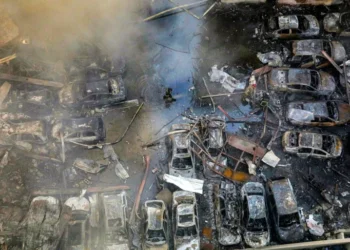
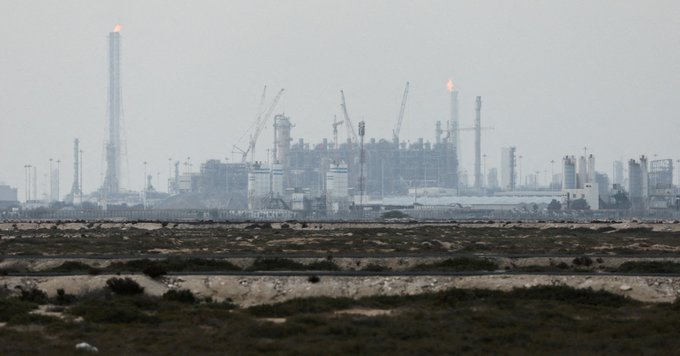
March 19, 2026: Iran’s latest wave of strikes has inflicted significant damage on Qatar’s energy infrastructure, knocking out facilities responsible for nearly 17% of the country’s liquefied natural gas (LNG) export capacity, according to QatarEnergy CEO Saad al-Kaabi. He warned that restoring full operations could take anywhere between three and five years, underscoring the scale of the disruption.
Al-Kaabi expressed shock at the development, saying it was unimaginable that Qatar and the wider Gulf region would come under such an attack—particularly from what he described as a “brotherly Muslim country” during the holy month of Ramadan.
The impact extends far beyond Qatar. As one of the world’s largest LNG exporters, any prolonged disruption to its output threatens to tighten global gas supplies, drive up prices, and strain energy-importing economies already grappling with volatility.
Iran’s attack on Qatar has damaged facilities that produce about 17% of its liquefied natural gas export capacity and repairs will take three to five years, QatarEnergy CEO said according to a Reuters report https://t.co/qnOaoesGfD
— Bloomberg (@business) March 19, 2026
The escalation follows reports that Israel carried out a strike on Iran’s South Pars gas field—one of the world’s largest—allegedly in coordination with the United States. While US officials have publicly denied prior knowledge of the operation, unnamed Israeli sources told Reuters the strike involved some level of coordination, though they suggested such actions may not be repeated.
Iran’s response has been swift and far-reaching. Retaliatory strikes have reportedly targeted key energy assets across the Gulf, including Qatar’s Ras Laffan LNG hub, as well as infrastructure in the United Arab Emirates and Saudi Arabia. The widening arc of attacks has heightened fears of a broader regional conflict with direct consequences for global energy security.
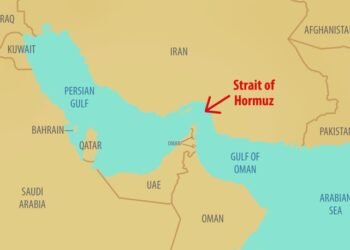
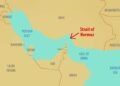
Compounding concerns is the situation in the Strait of Hormuz, a critical chokepoint through which a significant portion of the world’s oil and gas flows. Disruptions in the strait have already tightened supply, contributing to sharp price swings in global markets.
READ: Ukraine Denies Terror Links, Accuses Russia of Trying to Drive Wedge with India
In response, the United States is exploring emergency measures to stabilise supply. Treasury Secretary Scott Bessent indicated that Washington may temporarily lift sanctions on approximately 140 million barrels of Iranian oil currently stranded in tankers. If released, this volume could provide roughly 10 to 14 days of additional global supply.
Bessent emphasised that the US would not intervene in oil futures markets but would instead focus on boosting physical supply to offset deficits estimated at 10–14 million barrels per day. Additional measures under consideration include further releases from the US Strategic Petroleum Reserve and coordination with allies such as Japan, which may also tap into its reserves.
However, analysts caution that these are short-term fixes. With infrastructure damage in Qatar potentially taking years to repair and geopolitical tensions showing no signs of easing, the crisis is likely to have lasting repercussions for global energy markets, supply chains, and economic stability.