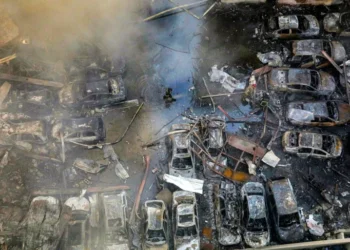
The rejection comes amid rising tensions over continued hostilities in Lebanon and disputes involving Hezbollah, which Iran says contradict agreed ceasefire conditions.
BY PC Bureau
April 9, 2026 — Iran’s Parliament Speaker Mohammad Bagher Ghalibaf on Wednesday firmly rejected the prospect of further bilateral ceasefire talks with the United States, calling negotiations “unreasonable” and accusing Washington of breaching key provisions of Tehran’s proposed 10-point framework even before formal discussions began.
In a detailed statement, Ghalibaf pointed to what he described as a deep-rooted lack of trust in the United States, citing a history of unfulfilled commitments. He argued that the “workable basis on which to negotiate” — a phrase previously used by Donald Trump to describe Iran’s proposal — had already been undermined.
Ghalibaf outlined three alleged violations:
- Failure to uphold a regional ceasefire: He said the proposal’s first clause called for an immediate ceasefire across all conflict zones, including Lebanon. However, hostilities linked to groups such as Hezbollah were continuing, undermining the framework.
- Violation of Iranian airspace: According to Iranian authorities, an advanced drone — reportedly a Hermes 900 — entered Iranian airspace and was shot down by the Islamic Revolutionary Guard Corps near Lar in Fars Province, breaching provisions against aerial incursions.
- Dispute over nuclear rights: Ghalibaf also cited the rejection of Iran’s claimed right to uranium enrichment, a key component of the proposal’s sixth clause, as another major obstacle.
“In such a situation, a bilateral ceasefire or negotiations is unreasonable,” he said, signaling Tehran’s hardening stance.
READ: Pentagon Warned Vatican to Fall in Line on Iran War?
— محمدباقر قالیباف | MB Ghalibaf (@mb_ghalibaf) April 8, 2026
Background
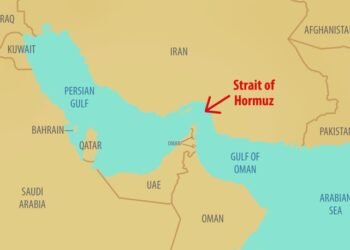
The remarks come days after Iran and the United States agreed to a fragile two-week ceasefire following heightened tensions in the Strait of Hormuz and across the region. The truce was reportedly facilitated in part by Shehbaz Sharif, amid fears of a broader regional escalation.
Iran’s 10-point proposal had been presented as a roadmap for longer-term negotiations, including demands for security guarantees, sanctions relief, an end to regional hostilities, and recognition of its nuclear program rights. While Washington signaled cautious openness, key details of the framework remain disputed.
Iran’s Islamic Revolutionary Guard Corps confirmed the downing of the drone over southern Iran, though there has been no immediate response from U.S. or Israeli officials regarding the incident.
Ghalibaf’s comments underscore Tehran’s growing skepticism and suggest that prospects for extending the ceasefire or initiating substantive negotiations remain uncertain, with tensions still high over Lebanon, nuclear policy, and regional security.