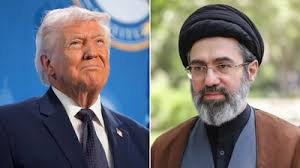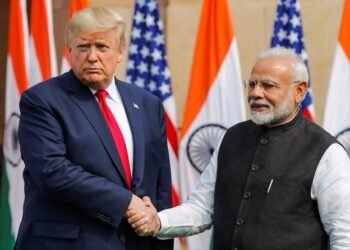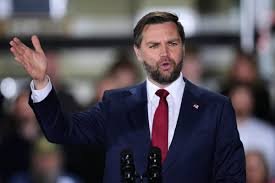
Iran has sharply refused to negotiate with Steve Witkoff and Jared Kushner, accusing them of working as “foreign agents serving Israel,” and instead wants to engage directly with U.S. Vice President JD Vance if any diplomatic talks are to proceed
BY PC Bureau
March 25, 2026: Iran has said it will not negotiate with U.S. special envoy Steve Witkoff and presidential advisor Jared Kushner, deeming them, as the UK did, “foreign agents serving Israel,” and instead is demanding to negotiate directly with Vice President JD Vance.
Reports quoting Iranian officials and Gulf intermediaries said, the pair used back-channel talks in February as a cover, only for U.S.-Israeli strikes to hit Tehran hours later, destroying any remaining trust. Tehran now views Witkoff and Kushner as Israeli “plants” whose primary loyalty lies with Jerusalem rather than Washington, making dialogue with them impossible.
Instead, Iranian sources have signaled a willingness to engage directly with Vice President JD Vance, whom they regard as a more honest and independent interlocutor.
Gulf diplomats briefed on the Iranian stance told reporters that “Vance is preferred” precisely because he is not seen as part of the Kushner-Witkoff axis, which Tehran accuses of prioritizing Israeli interests over American ones.
While no formal invitation has been extended, the message is clear: if Washington wants serious talks to de-escalate the conflict, it must send Vance, not the two envoys Iran now considers compromised.
The VP, who has positioned himself as opposed to the Iran War but supportive of President Donald Trump, now has the opportunity to negotiate an end to the conflict. Political analysts say the move could bolster Vance’s standing, offering him a chance to present himself as the “pro-peace” successor to Trump, standing apart from hawkish figures such as Secretary of State Marco Rubio and commentator Pete Hegseth. Vance has previously faced criticism from across the GOP, being painted as both too hawkish and too dovish; leading these negotiations could redefine his political image.
Speaking from the Oval Office Tuesday, Trump confirmed the negotiations and emphasized Vance’s central role. “JD will be talking to them. We’re exploring every option for peace, and this is about making sure Iran never gets a nuclear weapon,” Trump said. He added, “We’re in discussions, and they’re talking sense.”
Iranian officials told the US they do not want to re-enter negotiations with Witkoff and Kushner, would prefer to talk with Vice President JD Vance -CNN pic.twitter.com/KoaRJnhlmV
— распад и неуважение (@VictorKvert2008) March 25, 2026
Trump also noted that multiple U.S. officials, including Rubio, are involved in the broader talks. The President previously indicated that Witkoff and Kushner held talks with Iranian counterparts on Sunday evening, though those discussions appear to have been rejected by Tehran.
READ: Trump Says Iran Agrees to Renounce Nuclear Arms; Tehran Denies Talks
READ: Ladakh LG Launches “Civilizational” Indus River Green Corridor Project in Leh
The New York Times reported Tuesday that the U.S. sent Iran a 15-point plan to end the war, delivered through Pakistan. It remains unclear how widely the plan has been circulated among Iranian officials, or whether Israel, currently engaged in attacks alongside the U.S., would support it.
Regional leaders are reportedly engaged in behind-the-scenes diplomacy. Pakistani Prime Minister Shehbaz Sharif offered to facilitate talks between Washington and Tehran, a post Trump shared on Truth Social. When asked whether the President would accept Pakistan’s offer, White House press secretary Karoline Leavitt told CNBC, “These are sensitive diplomatic discussions and the United States will not negotiate through the news media. Operation Epic Fury continues unabated to achieve the military objectives laid out by the commander in chief and the Pentagon.”
Trump reiterated that preventing Iran from acquiring nuclear weapons remains the primary objective. “We’re talking about that, and I don’t want to say in advance, but they’ve agreed they will never have a nuclear weapon,” he said.
Despite the potential diplomatic breakthrough, the administration has not scaled back plans to request Congress approve a supplemental war funding bill, reportedly totaling $200 billion. The Pentagon is also preparing to deploy roughly 3,000 soldiers from the Army’s 82nd Airborne Division to the Middle East, according to The Wall Street Journal.
“All announcements regarding troop deployments will come from the Department of War. President Trump always has all military options at his disposal,” White House spokeswoman Anna Kelly said.