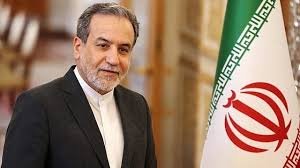
Conflicting accounts have emerged, with some reports claiming Iran rejected talks in Islamabad, while Tehran maintains it has not ruled out diplomacy under the right conditions.
BY PC Bureau
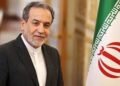
April 4, 2026 —Iran’s Foreign Minister Abbas Araghchi has pushed back against what he called inaccurate portrayals of Tehran’s stance in US media, while reaffirming support for Pakistan’s role in mediating the ongoing conflict with Washington.
In a post on X (formerly Twitter) on Saturday, Araghchi said: “Iran’s position is being misrepresented by U.S. media. We are deeply grateful to Pakistan for its efforts and have never refused to go to Islamabad. What we care about are the terms of a conclusive and lasting END to the illegal war that is imposed on us.”
His remarks come amid intensified diplomatic efforts, with Pakistan emerging as a key intermediary between Iran and the United States as the war enters a critical phase.
Islamabad has been actively facilitating backchannel communication, including relaying a reported multi-point US proposal to Tehran. Pakistani leaders such as Prime Minister Shehbaz Sharif and Foreign Minister Ishaq Dar have repeatedly offered to host formal talks, positioning Islamabad as a neutral venue for negotiations. Their efforts have also drawn backing from regional players including Turkey, Egypt and Saudi Arabia.
Araghchi’s statement appears aimed at countering recent Western reports suggesting Iran had rejected or was unwilling to participate in talks hosted by Pakistan. By clarifying that Tehran has “never refused” to attend discussions in Islamabad, he signalled openness to diplomacy—while underscoring that any agreement must deliver a permanent and balanced resolution.
READ: Israel Under Multi-Front Attack from Iran and Allies
Iran has consistently described the conflict as an “illegal war imposed” on it and insists that any settlement must fully address its sovereignty and security concerns. Officials in Tehran have also drawn a distinction between indirect exchanges through mediators and formal negotiations, reiterating that direct talks with the US are not currently on the table.
Iran’s position is being misrepresented by U.S. media.
We are deeply grateful to Pakistan for its efforts and have never refused to go to Islamabad. What we care about are the terms of a conclusive and lasting END to the illegal war that is imposed on us.
پاکستان زنده باد pic.twitter.com/AUjBQxOFyA
— Seyed Abbas Araghchi (@araghchi) April 4, 2026
For its part, Pakistan has continued to press ahead with mediation despite acknowledging significant hurdles. Officials in Islamabad say both sides retain a degree of trust in its facilitation role and have pledged to persist in efforts to bring the parties closer to dialogue.
The ongoing diplomatic push highlights both the urgency and the difficulty of de-escalation, as the conflict continues to strain regional stability, disrupt energy markets and raise broader global security concerns.
As mediation efforts continue, Araghchi’s message reinforces Iran’s dual approach: welcoming neutral diplomatic initiatives while maintaining firm conditions for any lasting end to the war.