Authorities may require vessels to disclose cargo details and obtain clearance before passage, while warnings of possible military action against unauthorized ships have heightened concerns.
BY Bureau
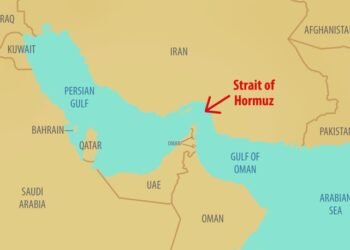
April 9, 2026 — Iran is moving to tighten its hold over the vital Strait of Hormuz, signaling it intends to retain leverage over global oil flows despite a fragile ceasefire with the United States.
A report by the Financial Times says Tehran is weighing a plan to charge oil tankers a $1-per-barrel transit fee, with payments to be made in cryptocurrencies such as Bitcoin. The proposal underscores Iran’s strategy to maintain control over one of the world’s busiest energy corridors even as direct hostilities have paused.
According to the report, Iranian authorities plan to monitor and regulate all vessels crossing the strait, requiring ships to submit cargo details before being granted clearance. Hamid Hosseini, a spokesperson for Iran’s oil and petrochemical exporters’ body, said the oversight is intended to prevent the ceasefire period from being used to move weapons or sensitive cargo.
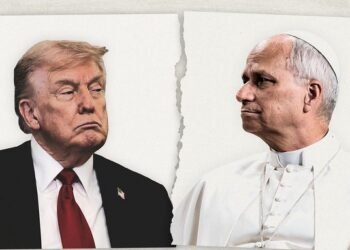
READ: Pentagon Warned Vatican to Fall in Line on Iran War?
READ: Iran Slams US, Says Ceasefire Talks Now “Unreasonable”
While vessels would still be allowed to pass, officials indicated the process may not be swift. “Iran is not in a rush,” Hosseini said, suggesting deliberate delays could be part of the enforcement mechanism.
🚨 UPDATE, THE HORMUZ SITUATION JUST HIT A NEW LEVEL:
The last 12 hours changed everything.
– Iran OPENED the Strait of Hormuz this morning under ceasefire — two oil tankers passed through safely
– Israel launched 100+ strikes on Lebanon HOURS later — the biggest attack since… pic.twitter.com/GraIBVn0KQ
— LimitLess (@LimitlesCobz) April 8, 2026
Strict Controls and Security Warnings
Under the proposed system, tankers would need to disclose cargo information electronically, after which authorities would calculate the fee based on volume. Ships would be given a limited window to complete payment before receiving transit approval.
At the same time, vessels in the Gulf have reportedly received radio warnings that unauthorized transit could invite military action. Iran is also believed to be steering ships closer to its coastline, increasing risks for Western- and Gulf-linked operators.
Ceasefire Hinges on Strait Access
Control of the waterway has become central to negotiations over extending the truce. Donald Trump has insisted that any continuation of the ceasefire depends on Iran guaranteeing the “complete, immediate, and safe” reopening of the strait. In response, Tehran has proposed a framework that would allow passage—but under its supervision.
Shipping Gridlock Builds
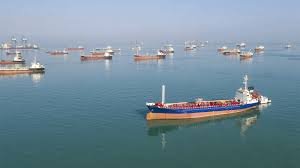
The uncertainty has left maritime traffic in limbo. Dozens of shipping firms have paused operations, and hundreds of vessels are now waiting in the Gulf for clarity. Industry executives describe the buildup as a “floating traffic jam,” with millions of barrels of oil effectively stranded.
Global shipping giant Maersk said it is assessing the rapidly evolving situation and has yet to resume normal transit schedules.
The plan has also triggered pushback from Oman, which has stressed that international agreements do not allow tolls on ships passing through the strait.
With tensions still high and rules for passage unclear, Iran’s proposed measures risk prolonging uncertainty in global energy markets and complicating efforts to stabilize the region.