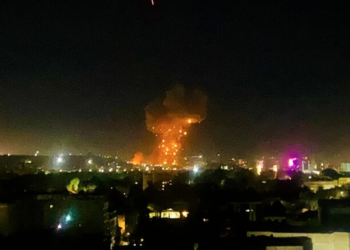
Multiple blasts were reported in and around Tel Aviv, with debris causing damage to buildings, vehicles, and infrastructure in nearby areas including Bnei Brak.
BY PC Bureau
April 2, 2026 — Iran launched a fresh barrage of ballistic missiles toward Israel late Thursday, triggering multiple explosions in and around Tel Aviv and heightening fears of further escalation in the region.
Residents across central Israel reported air raid sirens followed by a series of loud blasts as Israeli air defence systems engaged incoming projectiles. According to early reports from Israeli officials and media, most of the missiles were intercepted, though falling debris and possible direct impacts caused damage in the Tel Aviv metropolitan area, including nearby districts such as Bnei Brak.
Emergency responders, including Magen David Adom, were deployed across multiple sites. Initial accounts indicate at least five people sustained injuries, primarily from shrapnel and debris. Several vehicles and residential buildings were damaged, and local infrastructure—reportedly including sections of water pipelines—was affected. No fatalities have been confirmed from this specific strike so far.
#BREAKING
Tel Aviv NOW pic.twitter.com/WEkpDw66ME— Tehran Times (@TehranTimes79) April 2, 2026
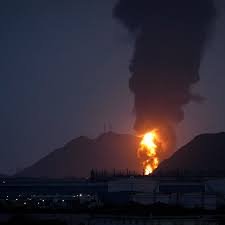
Footage circulating on social media showed bright flashes illuminating the night sky over Tel Aviv, followed by plumes of smoke rising from impact zones. Police and rescue teams were seen inspecting craters and clearing debris from roads, while some residential neighborhoods reported minor structural damage.
The Israel Defense Forces confirmed it had detected missile launches originating from Iranian territory and said interceptor systems were activated promptly. Sirens were heard across a wide swath of central Israel, with alerts extending into additional regions as a precaution.
#BREAKING
Additional footage pic.twitter.com/e406Qm8h1W— Tehran Times (@TehranTimes79) April 2, 2026
READ: Macron Rebukes Trump Over Iran War, Calls Out “Daily Contradictions”
The latest barrage comes amid an intensifying conflict involving Iran, Israel, and the United States, which has seen repeated waves of missile and drone attacks since late February. Iranian forces have increasingly relied on large-scale salvos and, in some cases, cluster-style munitions designed to spread submunitions over wider areas, raising the risks to civilian populations.
While Iranian state media had not immediately claimed responsibility for Thursday night’s strike, officials in Tehran have repeatedly vowed retaliation following attacks on Iranian territory.
Israeli authorities are continuing to assess the full extent of the damage, with hospitals in the Tel Aviv region placed on high alert. Security officials have warned that further attacks remain possible.
The situation remains fluid, with additional updates expected as military briefings continue and emergency services release more detailed casualty figures. The escalation is also being closely watched by global markets, particularly for its potential impact on energy flows and regional stability.