The move came hours after a fragile ceasefire, with Tehran calling the Israeli strikes a violation and warning of serious consequences.
By PC Bureau
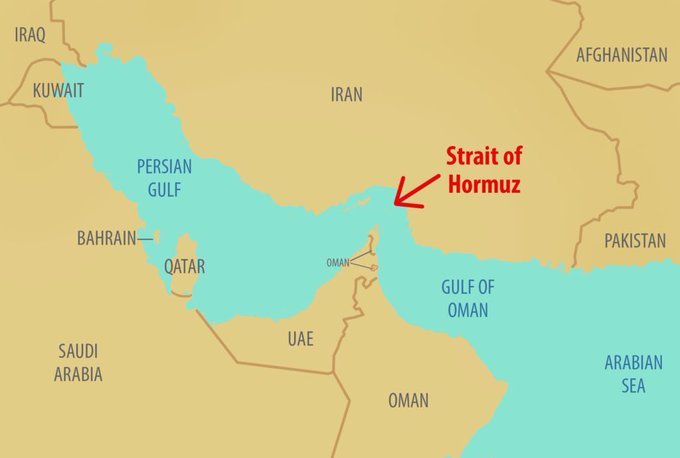
April 8, 2026 — Iran has halted oil tanker movement through the strategically vital Strait of Hormuz following Israeli airstrikes in Lebanon, according to reports from the semi-official Fars News Agency, signaling a sharp escalation in the already fragile regional situation.
Fars reported that tanker traffic was stopped “simultaneous with Israel’s attacks on Lebanon,” describing the strikes as a violation of the recently announced two-week ceasefire. Only two oil tankers were said to have crossed the strait after the ceasefire came into effect earlier in the day, before movements were suspended.
The Strait of Hormuz, a critical global energy chokepoint through which roughly 20–30% of the world’s seaborne oil passes, is now effectively closed to tanker traffic, raising immediate concerns of a fresh surge in global oil prices. Shipping sources indicated that no further vessels have been allowed to transit since the Israeli strikes began.
The passage of oil tankers through the Strait of Hormuz has been halted following Israel’s attacks on Lebanon pic.twitter.com/1W8qSZALOy
— Fars News Agency (@EnglishFars) April 8, 2026
Israeli Strikes Prompt Swift Iranian Reaction
The development follows a wave of Israeli airstrikes targeting Hezbollah-linked positions in southern Lebanon. The strikes reportedly caused casualties and damage in civilian areas, drawing a swift and sharp response from Tehran.
Iran condemned the attacks as a “blatant ceasefire violation” and accused Israel of undermining regional de-escalation efforts. The Islamic Revolutionary Guard Corps (IRGC) has since placed its missile and drone units on high alert, with indications of a possible retaliatory operation under its ongoing “True Promise” campaign.
READ: Ceasefire? Israel Strikes 100 Targets in Lebanon, 89 Killed
Iran Issues Strong Warning
In a strongly worded statement, the IRGC warned that the Israeli strikes would not go unanswered and signaled readiness for a “decisive” response. It also cautioned that continued attacks could force Iran to withdraw from ongoing diplomatic efforts and resume full-scale military operations.
Threat to Pakistan-Brokered Talks
Iran’s Foreign Ministry has also warned it may pull out of the Pakistan-mediated negotiations currently underway in Islamabad. Officials stated that continued Israeli actions make meaningful dialogue difficult, emphasizing that Tehran will not negotiate while its allies are under attack.
The talks, facilitated by Shehbaz Sharif, were launched after a ceasefire announcement by Donald Trump on April 7, aimed at addressing sanctions, nuclear issues, and maritime security.
Global Concerns Rise
The halt in Hormuz traffic comes just hours after Iran had allowed limited tanker passage as a goodwill gesture following the ceasefire. Energy markets are already reacting nervously, with expectations of rising oil prices and potential supply disruptions.
Lebanese Prime Minister Najib Mikati condemned the Israeli strikes as destabilizing, while international actors, including the United States, have urged restraint.
Analysts warn that if Iran follows through with military retaliation or exits the Islamabad talks, the ceasefire could collapse quickly—risking a renewed and wider regional conflict with significant global economic consequences.
The situation remains fluid, with further developments expected in the coming hours.