BY PC Bureau
March 20, 2026: The escalating U.S.-Israel war with Iran has entered a dangerous new phase with energy infrastructure emerging as a central battleground. Iran has warned it would show “zero restraint” if its facilities were struck again.
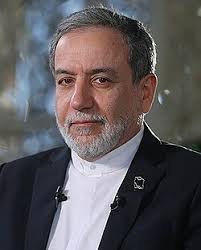
Iranian Foreign Minister Abbas Araghchi has said that Tehran’s response so far had used only a “fraction” of its capabilities, adding that Iran had exercised restraint in response to calls for de-escalation. But he warned that any fresh attack on Iranian energy infrastructure would trigger an unrestricted response, and said any future settlement would have to address damage to civilian sites.
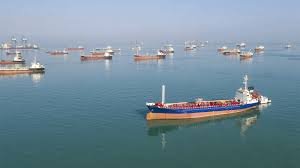
The warning came a day after Israel struck facilities linked to Iran’s South Pars gas field, a major escalation in the conflict. South Pars, which Iran shares with Qatar, is critical to Iran’s domestic energy supply and broader economic stability. The strike marked a shift beyond military and downstream targets to upstream energy production, helping drive a sharp surge in global energy prices. Reuters reported Brent crude climbing above $110 a barrel as markets reacted to fears of wider supply disruptions.
Iran retaliated with missile and drone strikes on Gulf energy infrastructure, including Qatar’s Ras Laffan Industrial City, the world’s largest LNG processing and export hub. QatarEnergy said the attacks caused extensive damage, with chief executive Saad al-Kaabi saying two of the country’s 14 LNG trains and one gas-to-liquids facility were hit. The damage has knocked out about 12.8 million tonnes per year of LNG production — roughly 17% of Qatar’s export capacity — and repairs are expected to take three to five years, threatening supplies to major buyers in Europe and Asia.
READ: Manipur Sits on a Tinderbox as Gunfire Rocks Fringe Villages in Ukhrul
Al-Kaabi said the scale of the attack was difficult to comprehend, stressing that Qatar had no role in the conflict. QatarEnergy estimates the disruption could cost around $20 billion in annual revenue losses, while also affecting exports of condensate, LPG, helium, naphtha and sulfur. The attack has raised alarm across global energy markets because Qatar is one of the world’s most important LNG suppliers.
The conflict, which began on February 28 with joint U.S.-Israeli operations against Iran, has since widened across the region. Israeli Prime Minister Benjamin Netanyahu said Israel’s objective was to destroy Iran’s nuclear and ballistic missile capabilities before they could be moved deeper underground. He also said Israel had acted on its own in striking South Pars and would not carry out further attacks on Iranian energy infrastructure after U.S. President Donald Trump asked it to stop.
Trump, seeking to contain the fallout in energy markets, said he had instructed Israel not to repeat strikes on Iranian gas facilities after the latest tit-for-tat exchanges sent oil and gas prices soaring. At the same time, he warned that if Iran attacked Qatar again, the United States would respond with overwhelming force against South Pars.
The turn toward an energy war has sharply heightened fears of prolonged supply shocks, higher fuel costs and a broader regional crisis, as governments and traders brace for further attacks on critical infrastructure in the Gulf