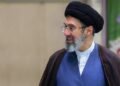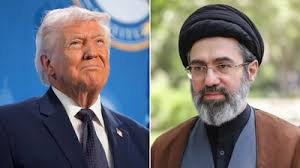
Iran Supreme Leader Mojtaba Khamenei instructed forces to stop firing but stressed the truce does not mark the end of the war. Foreign Minister Seyed Abbas Araghchi said operations would cease only if attacks stop, while thanking Pakistan’s leadership for mediation. Iran confirmed the Strait of Hormuz will remain open during the ceasefire, with talks set to continue in Islamabad
BY PC Bureau
April 8, 2026 — Iran has declared victory in its conflict with the United States while ordering its military to remain on high alert, even as it agreed to a temporary ceasefire. Iran has also claimed US has accpeted all conditions of a ten-point proposal forwarded by it through Pakistan for ceasefire..
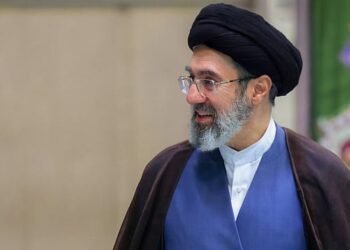
Iran’s Supreme Leader Mojtaba Khamenei instructed all armed forces to halt firing under the two-week truce, but stressed that the move does not signal the end of the war. “This is not the end of the war,” he said, directing troops to comply with the ceasefire while maintaining readiness.
Minutes after U.S. President Donald Trump announced the agreement, Tehran confirmed its acceptance, marking a rapid diplomatic breakthrough after weeks of escalating hostilities.
In a post on X, Iran’s Foreign Minister Seyed Abbas Araghchi said Iranian forces would halt operations if attacks cease. “If attacks against Iran are halted, our powerful armed forces will cease their defensive operations,” he said, outlining a conditional commitment.
READ:Iran declared victory in the conflict and ordered its troops to stay alert, even as it agreed to a two-week ceasefire with the United States.
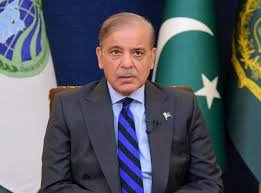
Araghchi also thanked Pakistani Prime Minister Shehbaz Sharif and Army Chief Asim Munir for their mediation efforts, crediting them with helping bring both sides to the negotiating table.
“Unconditional Acceptance”
— True Promise – الوعد الصادق ✪🇮🇷 (@IRTruePromise) April 8, 2026
READ: Trump Announces 2-Week Ceasefire, Iran to Open Hormuz
Speaking on behalf of Iran’s Supreme National Security Council, he said the decision followed Pakistan-led diplomacy and Washington’s willingness to engage based on competing proposals — including a U.S. 15-point plan and Iran’s own 10-point framework, now seen as a basis for talks.
Iran confirmed that the Strait of Hormuz will remain open during the ceasefire, with shipping coordinated through its armed forces. The waterway is crucial for global oil flows, and its disruption had rattled markets in recent weeks.
Despite the pause, Tehran issued a stark warning: the ceasefire does not mark the end of the conflict. The Supreme National Security Council said Iran’s “hands remain upon the trigger,” cautioning that any move by the United States or Israel would be met with “full force.”
Iran also claimed it had achieved most of its war objectives, describing the outcome as a strategic victory and signaling it would only accept a permanent end to the war once its conditions are finalized in negotiations.
Talks are set to begin in Islamabad on April 10 and are expected to continue for two weeks, with the possibility of extension. Officials on all sides warn the situation remains fragile, and the success of the ceasefire will depend on progress toward a broader agreement.