The India-flagged tankers Pushpak and Parimal reportedly transited the narrow waterway after diplomatic discussions between officials in India and Tehran aimed at maintaining limited energy flows.
BY PC Bureau
March 12, 2026 — New Delhi — Iran has allowed a small number of India-flagged oil tankers to pass through the Strait of Hormuz despite an effective blockade of the strategic waterway amid the escalating conflict involving Iran, the United States, and Israel.
According to people familiar with the matter and Indian media reports, the tankers Pushpak and Parimal were permitted to transit the narrow chokepoint following high-level discussions between officials in India and Iran. The move appears aimed at maintaining limited flows of crude oil and gas critical to global energy markets.
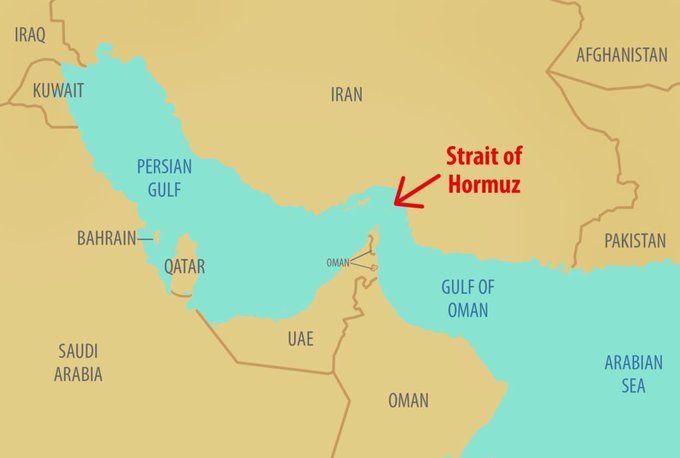
The decision offers some relief for India, which relies heavily on energy imports from the Middle East that pass through the Strait of Hormuz. The waterway typically carries about one-fifth of the world’s seaborne crude oil, making it one of the most important energy corridors globally.
READ: Iran Sets Three Conditions to End War With U.S., Israel
However, Iranian authorities appear to be allowing passage only on a highly selective basis. Iran’s powerful Islamic Revolutionary Guard Corps has warned that vessels linked to the United States, Israel, Europe, and their allies risk being targeted. Iranian officials have said only ships from countries viewed as non-hostile may be allowed to pass, with some reports indicating similar treatment for Chinese-linked vessels.
Maritime Tensions Rising
Shipping traffic through the Strait of Hormuz has fallen sharply since the outbreak of the current conflict on February 28, when U.S. and Israeli strikes hit Iranian targets.
Several commercial vessels have been attacked in recent days. On March 11, the Thai-flagged cargo ship Mayuree Naree was struck while transiting the strait, triggering a fire on board and forcing crew members to abandon ship. Maritime security monitors including UK Maritime Trade Operations reported multiple projectile attacks on vessels in the strait and nearby Persian Gulf.
Iran has claimed responsibility for some incidents, saying the ships ignored warnings to avoid the area. Security sources also report that Iranian forces may have deployed naval mines in parts of the waterway, further discouraging commercial shipping and forcing some tankers to reroute around the Cape of Good Hope in southern South Africa—a detour that significantly increases transit times and costs.
Concerns for Indian Shipping
For India, the selective permission granted to a handful of tankers provides only limited relief. Marine tracking data confirmed the safe passage of the two India-flagged vessels, while another tanker carrying Saudi crude recently reached Mumbai after successfully navigating the strait.
At the same time, dozens of Indian-flagged vessels remain stranded in or near the Persian Gulf, with hundreds of seafarers on board awaiting clearance or safer routes.
Indian authorities have advised ships operating in the region to exercise extreme caution and are evaluating options including potential naval escorts for merchant vessels. The government has also begun diversifying crude supplies toward producers in Russia, the United States, and West Africa to reduce reliance on Hormuz shipments.
Impact on Oil Markets
The crisis has already pushed global oil prices to multi-year highs, while insurance costs for tankers operating in the Gulf have surged.
Analysts warn that any further escalation—particularly a complete closure of the Strait of Hormuz—could trigger severe disruptions to global energy supplies, hitting major Asian importers such as India, China, Japan, and South Korea especially hard.
While the limited passage granted to Indian tankers suggests ongoing diplomatic coordination between New Delhi and Tehran, the broader maritime situation in the region remains highly volatile. Officials say they are closely monitoring developments while prioritizing the safety of Indian crews and the stability of energy supply chains.