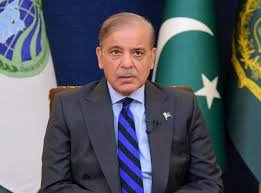
Pakistan played a decisive behind-the-scenes role in securing a two-week ceasefire between the United States and Iran, halting imminent military strikes and creating space for urgent diplomacy amid soaring tensions.
BY PC Bureau
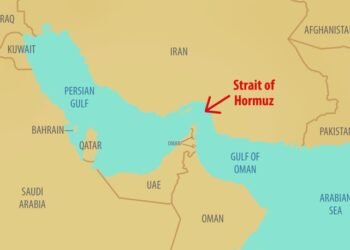
April 8, 2026: In a striking display of high-stakes diplomacy, Pakistan emerged as a key mediator in securing a two-week ceasefire between the United States and Iran in early April 2026. The agreement halted imminent large-scale U.S. strikes on Iranian infrastructure, ensured the safe reopening of the Strait of Hormuz, and extended to related flashpoints including Lebanon—potentially preventing thousands of casualties and a broader regional crisis.
READ: Iran Says It Forced “Criminal” US to Accept Uranium Enrichment, Sanctions Lift
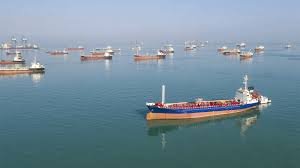
Tensions surged sharply through March and early April as the risk of direct conflict between Washington and Tehran intensified. U.S. President Donald Trump issued a firm ultimatum, warning of severe consequences if Iran did not reopen the strategically vital Strait of Hormuz, through which a significant portion of the world’s oil supply passes. With diplomatic channels stalled, fears mounted over mass civilian casualties, infrastructure devastation, and global economic shockwaves.
Amid this volatile backdrop, Pakistan leveraged its working ties with both capitals to position itself as a credible intermediary.
OFFICIAL STATEMENT OF IRAN: pic.twitter.com/IZ9qoGpgK8
— The White House (@WhiteHouse) April 7, 2026
Islamabad’s Shuttle Diplomacy
Prime Minister Shehbaz Sharif, alongside Army Chief Asim Munir, led an intense round of backchannel engagements. Islamabad proposed a pragmatic two-phase approach: an immediate temporary ceasefire followed by structured negotiations hosted in Pakistan.
Sharif publicly urged restraint, calling for a two-week extension to allow diplomacy to prevail while appealing to Iran to reopen the Strait of Hormuz as a goodwill gesture. Behind the scenes, Pakistani officials worked to align minimum conditions acceptable to both sides.
With the greatest humility, I am pleased to announce that the Islamic Republic of Iran and the United States of America, along with their allies, have agreed to an immediate ceasefire everywhere including Lebanon and elsewhere, EFFECTIVE IMMEDIATELY.
I warmly welcome the…— Shehbaz Sharif (@CMShehbaz) April 7, 2026
Both parties have displayed remarkable wisdom and understanding and have remained constructively engaged in furthering the cause of peace and stability. We earnestly hope, that the ‘Islamabad Talks’ succeed in achieving sustainable peace and wish to share more good news in coming days!”
Breakthrough Announcement
The turning point came with Sharif’s announcement of a ceasefire agreement, declaring that both sides had agreed to halt hostilities immediately across multiple fronts. He invited delegations from both countries to Islamabad on April 10, 2026, for talks aimed at a comprehensive settlement.
The announcement marked a rare moment of convergence after weeks of brinkmanship and was soon followed by confirmations from both Washington and Tehran.
U.S. Acknowledges Pakistan’s Role
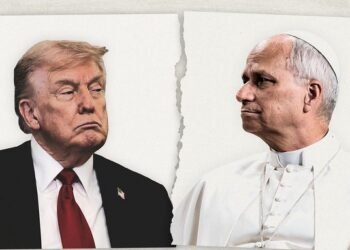
President Trump publicly credited Pakistan’s leadership, stating that discussions with Sharif and Asim Munir influenced his decision to suspend planned military strikes. The pause, he said, was conditional on Iran ensuring the “complete, immediate, and safe” reopening of the Strait of Hormuz.
Trump added that U.S. objectives had been met and expressed cautious optimism about transitioning toward a longer-term diplomatic solution.
Iran Confirms and Signals Caution
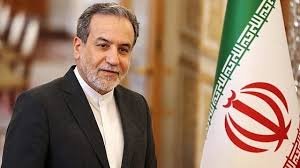
Iran’s Foreign Minister Abbas Araghchi acknowledged Pakistan’s mediation efforts and confirmed Tehran’s acceptance of the ceasefire terms. He stated that Iran would halt its defensive operations provided attacks ceased, while allowing controlled maritime passage through the Strait during the truce.
However, Iranian officials stressed that the ceasefire is conditional and reversible, warning that any violation would trigger a swift and forceful response.
A Pause That May Have Saved Lives
Analysts suggest that without Pakistan’s intervention, the situation was on the brink of major escalation. Planned U.S. strikes could have resulted in significant civilian casualties, infrastructure damage, and a wider regional war affecting multiple countries.
By stepping in as an “honest broker,” Pakistan helped transform an imminent military confrontation into a diplomatic opening—offering a critical window for de-escalation.
Despite the breakthrough, the agreement remains precarious. Its success hinges on compliance with ceasefire conditions, particularly regarding maritime security in the Strait of Hormuz. Core disputes—such as sanctions, security guarantees, and nuclear policy—remain unresolved.
Both sides have characterized the truce as temporary, underscoring the uncertainty surrounding the upcoming Islamabad talks.
A Defining Moment for Pakistan
The coordinated acknowledgments—from Sharif’s announcement to Trump’s endorsement and Iran’s formal response—underscore Pakistan’s growing diplomatic relevance. In a region often defined by conflict, Islamabad’s role highlights how middle powers can influence outcomes through strategic mediation.
As delegations prepare to convene, the world watches closely. Whether this ceasefire evolves into lasting peace or proves a brief respite will depend on the willingness of both sides to convert this diplomatic opening into concrete progress.
Pakistan’s intervention stands as a powerful reminder: even at the edge of conflict, determined diplomacy can still shift the course toward stability.