The Naga Revolutionary Eastern Front (NREF), a little-known Naga militant outfit, is suspected to be behind the abduction and killing of two Kuki-Zo men, with sources ruling out the involvement of the National Socialist Council of Nagalim (Isak-Muivah).
BY Navin Upadhyay
March 2026 — A little-known Naga militant outfit, the Naga Revolutionary Eastern Front (NREF), is suspected to have carried out the abduction and killing of two Kuki-Zo men, amid rising tensions in Manipur’s hill districts.
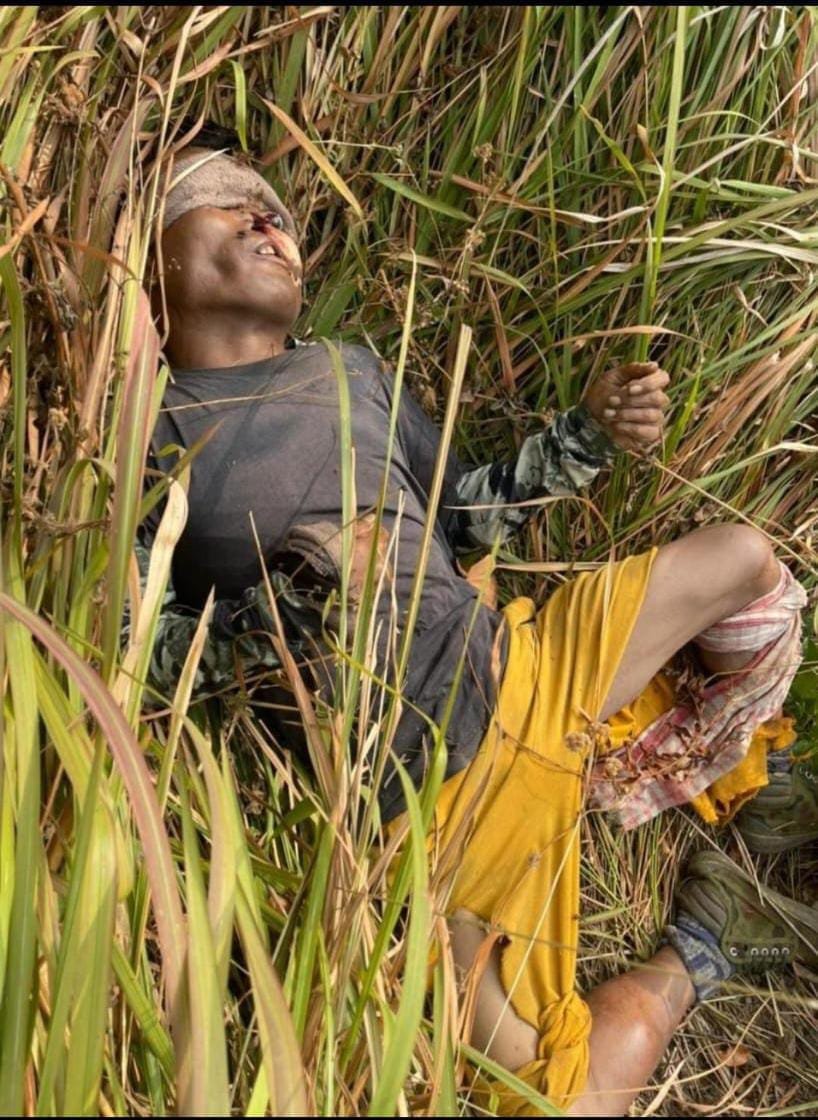
Sources said the victims—Thengin Baite and Thangboimang Khongsai—were abducted and later found dead near the Mapithel hill range. While initial speculation pointed towards the involvement of the National Socialist Council of Nagalim (Isak-Muivah) (NSCN-IM), fresh inputs from the ground suggest that the killings were carried out by NREF. Sources further indicated that the group may have acted in coordination with certain Imphal valley–based underground militant outfits, raising concerns of a broader and more complex conflict dynamic.
The NREF remains a relatively obscure formation within the fragmented Naga insurgent landscape. Believed to have emerged from splintering within existing groups, it operates primarily in remote areas along the India–Myanmar border. Unlike larger and more established factions, NREF is seen as a loose, shadowy entity shaped by internal rivalries, shifting loyalties, and localized objectives. Its activities, though limited in visibility, contribute to the already complex security environment in Manipur.
READ: China Floods Social Media With Anti-Trump AI Memes
READ: Manipur Hills On Edge As Armed Groups Face Off Near Shangkai
Security sources emphasised that NREF does not share common ground with NSCN-IM, the dominant Naga armed group. In fact, the two are widely understood to be at odds, reflecting long-standing factionalism, territorial contestation, and competing claims of authority within Naga insurgent politics. Such rivalries often play out in overlapping areas, particularly in eastern Manipur.
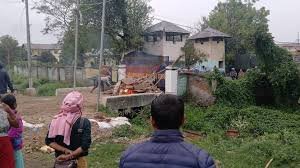
The killings have further inflamed tensions on the ground, especially in and around Shangkai village, where Kuki-Zo communities are facing threats and an ultimatum to vacate the area. In response, there has been a visible mobilisation of armed Kuki-Zo village volunteers from multiple hill districts, including regions along the India–Myanmar border. The mobilisation is being described as a defensive effort to safeguard lives and property amid fears of further attacks.
Tensions escalated further on Tuesday night after reports of gunfire near Shangkai, where armed Kuki-Zo volunteers and suspected Naga militant elements reportedly confronted each other after an alleged advance towards the village. While there is no official confirmation of casualties, the incident triggered panic in nearby areas before security forces intervened to stabilise the situation.
Kuki-Zo leaders have taken a firm stand against vacating Shangkai, asserting ancestral ownership of the land. “We do not seek confrontation, but we cannot abandon our people or our land,” a local leader said. Another senior figure involved in the mobilisation stated that adequate numbers of volunteers have been deployed in and around the village to deter further incursions.
The immediate trigger for the standoff is an ultimatum issued by a Naga youth body, which accused Kuki-Zo residents of occupying ancestral Naga land and warned of “necessary measures” if they failed to leave. The Shangkai Village Authority has rejected the claim as baseless, asserting legal and customary ownership of the land.
Sources also alleged that certain valley-based militant groups may be instigating Naga armed elements, describing the situation as a potential “proxy conflict.” If true, this could mark a dangerous escalation beyond a localized dispute.
With both sides hardening positions and armed volunteers now deployed, the situation in Ukhrul remains highly volatile. Security forces have stepped up their presence, but the risk of further confrontation persists as the region braces for a possible wider escalation.