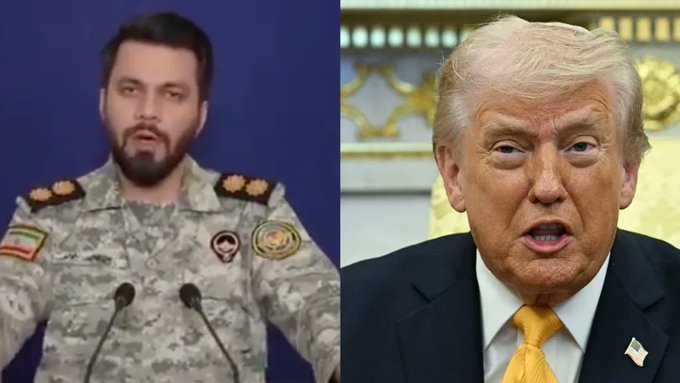
Four weeks into the conflict, President Trump appears to be pivoting toward diplomacy, but Tehran’s hardline response suggests the war is far from over.
PC Bureau
March 25, 2026: As the conflict enters its fourth week, signs of a diplomatic opening are colliding with hardening rhetoric from Iran, suggesting the war may be far from over despite Donald Trump’s push for a negotiated exit.
Less than 24 hours after Trump described backchannel contacts as “very good and productive,” Iran’s military leadership issued a stark rebuttal: “Do not call your defeat an agreement.” The statement has cast fresh doubt on the prospects of an imminent breakthrough and highlighted the deep disconnect between Washington’s claims and Tehran’s position.
According to Al Jazeera, an Iranian military spokesperson rejected the notion of talks outright, asserting that regional stability would only be secured through the “powerful hand” of Iran’s armed forces. The message was clear — nothing will return to normal unless Tehran decides it will.
The response is consistent with Iran’s broader dismissal of Trump’s claims as “fake news.” Analysts say Tehran remains wary, particularly after US strikes reportedly continued even as diplomatic signals were being floated.
READ: IRGC Warns Washington: ‘Come Closer’ Amid Rising Tensions
Iran dismisses U.S. ceasefire talk
Iran’s military spokesman warned America not to call any retreat a deal.
He insisted U.S. investments won’t return and oil prices won’t go back until Iran’s terms are met. pic.twitter.com/RNKm7K8dGp
— Public News X (@PublicNewsX) March 25, 2026
Diplomacy or Pressure Tactic?
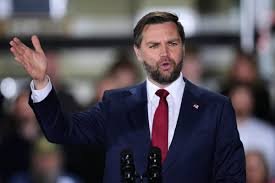
Trump has said he ordered a temporary pause on attacks targeting Iran’s energy infrastructure, while adding that senior officials, including Vice President JD Vance and Secretary of State Marco Rubio, are leading negotiations.
Yet parallel reports of a possible deployment of thousands of US troops from the 82nd Airborne Division raise questions about Washington’s strategy. The simultaneous use of diplomacy and military build-up suggests a calibrated effort to pressure Iran into concessions.
A Strategic Misread?
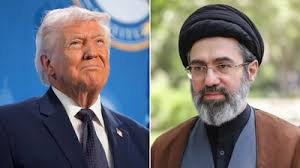
Despite weeks of sustained strikes, Iran has not buckled. Early expectations that the removal of Supreme Leader Ali Khamenei would trigger internal collapse have not materialised. Instead, Iran’s military establishment has remained intact and operational.
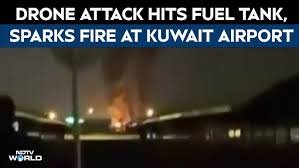
Tehran has also widened the conflict, targeting US-aligned interests across the Gulf — a development Trump himself acknowledged was unexpected.
This escalation has unsettled regional allies, many of whom had warned against a conflict that could destabilise already fragile economic conditions.
Pressure Mounts on Trump
The US president now faces growing pressure to end the war. Allies want de-escalation, while slipping approval ratings at home add urgency to delivering a diplomatic win.
Having pledged to avoid “endless wars,” Trump’s room for prolonged military engagement is politically constrained.
Why Iran May Hold Its Ground
For Iran, the calculus is different. Having absorbed repeated attacks, Tehran has little incentive to accept terms it previously rejected.
Reports suggest Washington has presented a list of demands similar to earlier proposals. Iran is likely to seek stronger guarantees — particularly against future strikes — before agreeing to any deal.
Control over the Strait of Hormuz gives Tehran additional leverage, with global energy markets already feeling the strain.
At the same time, the costs of war are rising. Civilian casualties are mounting, infrastructure has taken heavy damage, and economic pressures are intensifying. Reports point to prolonged internet shutdowns and signs of internal unrest.
Iran now faces a dual challenge: sustain resistance to negotiate from strength, while preventing domestic instability from eroding that position.