BY PC Bureau
Though the full classified text has not been released, leaks and briefings outline the following core elements:
- Permanent prohibition on nuclear weapons (Trump’s “No. 1, 2 and 3”).
- Complete dismantlement or severe rollback of Iran’s nuclear programme, including surrender or destruction of its 60% enriched uranium stockpile.
- Unrestricted IAEA access and real-time monitoring of all remaining centrifuges and sites.
- Capping and restricting Iran’s ballistic-missile programme (range, numbers, testing).
- Total cutoff of funding and arms to regional proxies — Hezbollah, Hamas, Iraqi militias and the “Axis of Resistance”.
- Immediate, unrestricted freedom of navigation through the Strait of Hormuz with zero Iranian interference or fees. 7–8. Phased sanctions relief tied to verifiable compliance, plus possible civilian nuclear cooperation.
- Mutual non-aggression guarantees and de-escalation mechanisms. 10+. Additional points cover implementation timelines, economic recovery steps for Iran, dispute-resolution bodies, and regional security arrangements involving Gulf states and Israel.
READ: “Don’t Call It a Deal”: Iran Rubbishes Trump’s Peace Push
This is not a negotiation but strategic positioning, with both sides communicating through intermediaries, says Brett McGurk. In his assessment, Iran’s leverage—particularly its ability to disrupt the Strait of Hormuz—makes it unlikely to accept Donald Trump’s reported 15-point… pic.twitter.com/t8bbkT8F1P
— Ishtiaq Ahmad (@ahmadishtiaq) March 25, 2026
The US is also pushing for an initial one-month ceasefire during which these points would be locked in, while Trump has already postponed planned strikes on Iranian energy infrastructure to create negotiating space.Iran’s 3 Core Demands: The IRGC-Maximalist PositionIran has publicly rejected the very premise of “ongoing negotiations” as “fake news” and “negotiating with yourself,” but behind the scenes it has conveyed three sweeping preconditions for even sitting down to talk:
- Immediate closure of all US military bases in the Gulf and across the broader region.
- Complete and immediate lifting of all US and international sanctions, plus financial compensation for wartime damage.
- New legal and operational control over the Strait of Hormuz — including the right to collect transit fees from every ship passing through the world’s most critical oil chokepoint — alongside an end to Israel’s campaign against Hezbollah.
Additional Iranian asks (closure of Israeli operations against proxies, ironclad guarantees against future US or Israeli strikes) flow from these three pillars.Head-to-Head: Where the Talks Are DeadlockedThe collision between the two proposals is stark and, at present, unbridgeable:
Issue | US 15-Point Demand | Iran’s 3 Core Demands | Current Status |
|---|---|---|---|
Strait of Hormuz | Free navigation, zero Iranian fees or interference | Iranian control + fee-collection rights | Direct contradiction |
US Military Presence | Maintain regional bases for security | Immediate closure of all Gulf bases | Complete impasse |
Sanctions | Phased, conditional relief only | Immediate, total lifting + reparations | No overlap |
Nuclear Programme | Full rollback + IAEA “anytime, anywhere” access | Limited 5-year missile pause + partial enrichment cuts (private signals only) | US wants elimination; Iran offers temporary brakes |
Regional Proxies | Total cutoff of funding to Hezbollah, Hamas, etc. | Possible reduction only if US meets core 3 demands | Iran links it to sanctions/bases |
Israel-Hezbollah | End to Iranian support; Israel may continue defensive ops | Immediate end to Israeli campaign | Major flashpoint |
Public vs Private Signals
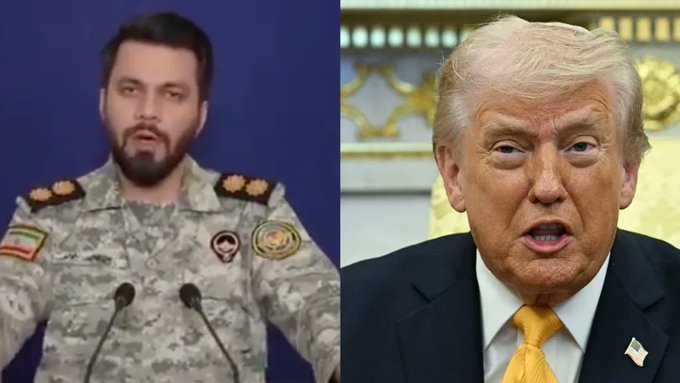
Iranian military spokesperson Ebrahim Zolfaqari summed up Tehran’s public line: “The United States is negotiating with itself… People like us can never get along with people like you.”
He warned that US investments and pre-war energy prices will not return until Washington accepts that “regional stability is guaranteed by the Iranian armed forces.”
Yet private channels suggest limited flexibility. Iran has hinted it could freeze its ballistic missile programme for five years, discuss its highly enriched uranium stockpile, allow IAEA inspections of remaining centrifuges, and even curtail proxy funding — but only if its three core demands are met first.
Outlook: High Stakes, Low Expectations
With both sides still testing each other’s red lines, the path to any agreement remains blocked on the three issues Iran has declared non-negotiable. Trump continues to claim that “major points of agreement” already exist and has described the potential deal as a “significant prize” for global energy markets. Iran, meanwhile, insists it is not negotiating at all.
As of March 25, 2026, indirect talks via third parties continue, but the fundamental mismatch between the US’s 15-point vision of a denuclearised, demilitarised, Iranian-influence-limited Middle East and Iran’s demand for regional primacy and economic restitution has produced the clearest deadlock since the conflict escalated.