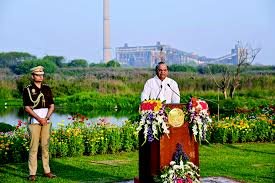
DDA will charge a daily rental from ₹40,000 to ₹3.30 lakh, depending on the size and location of the lawn at Asita park, with multiple areas available for booking.
BY PC Bureau
New Delhi, December 18: After the successful opening of Baansera, the Delhi Development Authority (DDA) has announced that the lush green lawns at Asita Park, located near ITO, will now be available for hosting socio-cultural events. The move is aimed at providing affordable, centrally located venues for Delhiites, who often struggle to find suitable event spaces within the city.
The decision has been taken under the guidance of Lieutenant Governor V. K. Saxena, who has been pushing for greater public access to well-developed open spaces, particularly along the Yamuna riverfront. Officials said the initiative would reduce the need for residents to book expensive venues on the outskirts of Delhi.
According to the DDA, daily rental charges for the lawns range from ₹40,000 to ₹3.30 lakh, depending on the size and location of the area. Several lawns of varying capacities have been earmarked for public use, and bookings can be made individually or for multiple areas, subject to applicable rates. Rental charges include parking facilities for up to 40 vehicles, while cleaning charges will be levied separately.

The authority has capped the duration for installation and dismantling of temporary, eco-friendly tent structures at three days. In the case of the Circular Lawn, bookings may extend up to five days. DDA officials stressed that only non-permanent structures will be allowed.
All events hosted at Asita will be subject to strict environmental safeguards and must comply with guidelines laid down by the National Green Tribunal (NGT) and other court directives, ensuring that activities do not disturb the ecological character of the Yamuna floodplains.
The Asita project, spread over nearly 197 hectares near Laxmi Nagar in East Delhi, is a major riverfront rejuvenation initiative. Once an encroached and degraded stretch polluting the Yamuna, the area has been transformed into a green public space with ecological zones, river buffers and recreational greenways, marking a key step in restoring the river’s floodplains while opening them up for public use.