BY PC Bureau
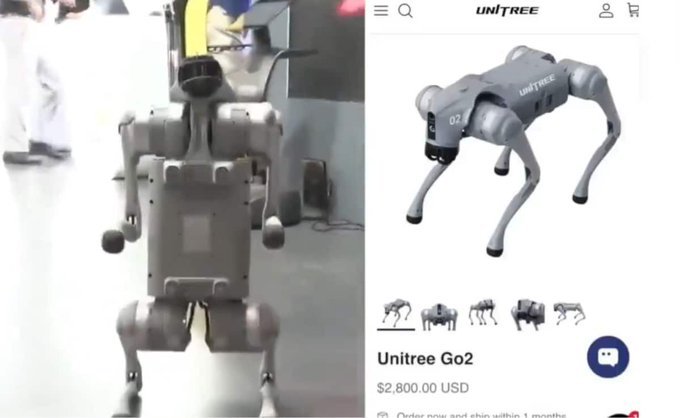
Febrtuary 18, 2026: Galgotias University was asked to vacate its exhibition space at the ongoing AI Impact Summit in New Delhi after authorities discovered that a robotic dog displayed at its stall had been imported from China, government sources said on Wednesday. The directive followed mounting scrutiny over the origin and presentation of the device at the high-profile event, which is being seen as a showcase of India’s technological ambitions.
According to government sources, officials took immediate cognisance after learning that the robotic dog exhibited by the university had been procured from China-based robotics firm Unitree. Authorities subsequently instructed the university to vacate the venue the same day, signalling a strict stance on compliance and transparency at the summit.
The controversy erupted after reports and social media posts claimed that the robotic dog, identified as the Unitree Go2 model, was being showcased under the name “Orion,” prompting allegations that imported technology was being presented as an indigenous innovation. The development triggered widespread criticism online, with several users accusing the institution of misleading visitors and undermining India’s push for homegrown technological capability under the “Make in India” vision.
Power has been cut off at the Galgotias University pavilion at the AI Summit after it was asked to vacate the expo following a row over the display of a Chinese robotic dog and soccer drone.
pic.twitter.com/QV5il0ZY2K— Mohammed Zubair (@zoo_bear) February 18, 2026
READ: AI Won’t Take Jobs, Will Transform Them: PM Modi Reassures Youth
Amid the backlash, Galgotias University issued a clarification, stating that it had never claimed to have developed the robotic dog. “Let us be clear, Galgotias has not built this robodog, nor have we claimed to do so. What we are building are minds that will soon design, engineer and manufacture such technologies in Bharat,” the university said in a statement. It added that the robotic dog had been acquired for academic purposes and was being used as a learning tool to expose students to advanced global technologies.
The university further emphasised that institutions routinely procure international equipment to help students understand cutting-edge developments and that its long-term goal remained fostering indigenous innovation.
Despite the clarification, the episode drew sharp reactions online, with critics questioning the manner in which the device was displayed and labelled. Some users argued that presenting imported technology in a national AI summit risked creating confusion about India’s domestic capabilities, while others said universities should be transparent about the origin of showcased technologies, especially at government-backed events.
Government sources indicated that authorities viewed the matter seriously and had conveyed a clear message to all exhibitors regarding accurate representation and disclosure of exhibited technologies. They also alleged that certain opposition voices had attempted to politicise the controversy, claiming they were unsettled by the success and global visibility of India’s first AI Impact Summit.
The AI Impact Summit, being held at Bharat Mandapam in the national capital, has drawn policymakers, global technology leaders, startups, and academic institutions. While the event continues, officials suggested that exhibitor compliance and disclosures are now under heightened scrutiny following the incident.