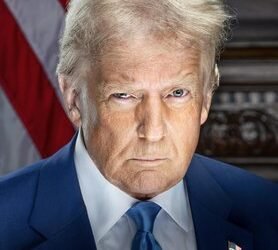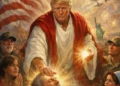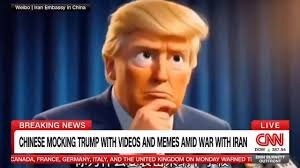
The surge in viral Chinese memes and videos coincides with the escalating U.S. conflict with Iran, suggesting a strategic information push alongside geopolitical tensions.
BY PC Bureau
March 18, 2026 — In a striking departure from its typically strict online censorship regime, China appears to be allowing a wave of AI-generated videos, memes, and posts portraying U.S. President Donald Trump as “evil,” “dishonest,” and morally corrupt to spread widely across domestic social media platforms. The trend coincides with the ongoing U.S.-led military campaign against Iran, now in its third week under Operation Epic Fury.
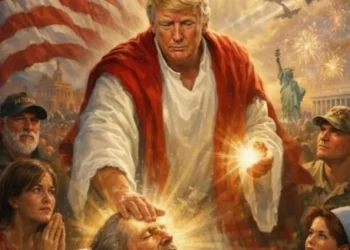
According to reporting by CNN correspondent Will Ripley, Chinese censors have deliberately refrained from curbing such content. Much of it relies on artificial intelligence to create satirical or exaggerated depictions of Trump—ranging from cartoonish villain portrayals to surreal sequences mocking U.S. leadership and policy decisions. Some viral clips frame American actions in Iran as aggressive imperialism, while positioning China as a stabilizing force advocating restraint.
This selective tolerance stands in contrast to China’s otherwise rigorous content controls. Authorities have historically removed or blocked politically sensitive material, including content deemed critical of state leadership—such as comparisons involving Xi Jinping. The current approach suggests a calculated shift rather than a relaxation of policy.
President Trump is trying to get China to help the U.S. with Iran, but @willripleyCNN found China’s social media censors are allowing posts condemning the U.S. and Trump amid the war. pic.twitter.com/ZL13OebXL6
— Erin Burnett OutFront (@OutFrontCNN) March 17, 2026
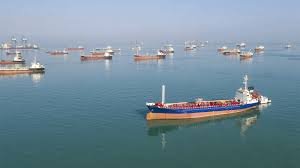
READ: U.S. Drops Bunker-Buster Bombs on Iran as Hormuz Tensions Explode
Analysts say the move serves multiple strategic objectives. As the conflict disrupts global energy markets and strains Western alliances, Beijing appears to be leveraging digital narratives to erode U.S. credibility while projecting itself as a responsible global actor. China’s Foreign Ministry has publicly called for de-escalation, even as anti-U.S. content circulates freely on platforms like Weibo and WeChat.
The development has also drawn attention for its contradictions. Shortly after CNN aired a segment on the trend, the broadcast was reportedly censored within China—highlighting the boundaries of permissible discourse. While content critical of Trump is tolerated, direct scrutiny of China’s censorship practices remains tightly controlled.
The U.S.-Iran conflict began in late February following pre-emptive strikes by American and Israeli forces targeting Iran’s nuclear and military infrastructure. Trump has defended the campaign as necessary to counter threats from Tehran, though critics have questioned its scope, cost, and reliance on sustained airpower. He has also dismissed reports of disinformation—whether from Iran or elsewhere—as “fake news,” accusing media outlets of bias.
As Washington and Beijing prepare for potentially sensitive discussions on trade, technology, and regional security, including tensions over Taiwan, the spread of AI-driven narratives could further complicate already fragile relations. The episode underscores how information warfare—now amplified by generative AI—has become a parallel battleground in modern geopolitical conflicts.