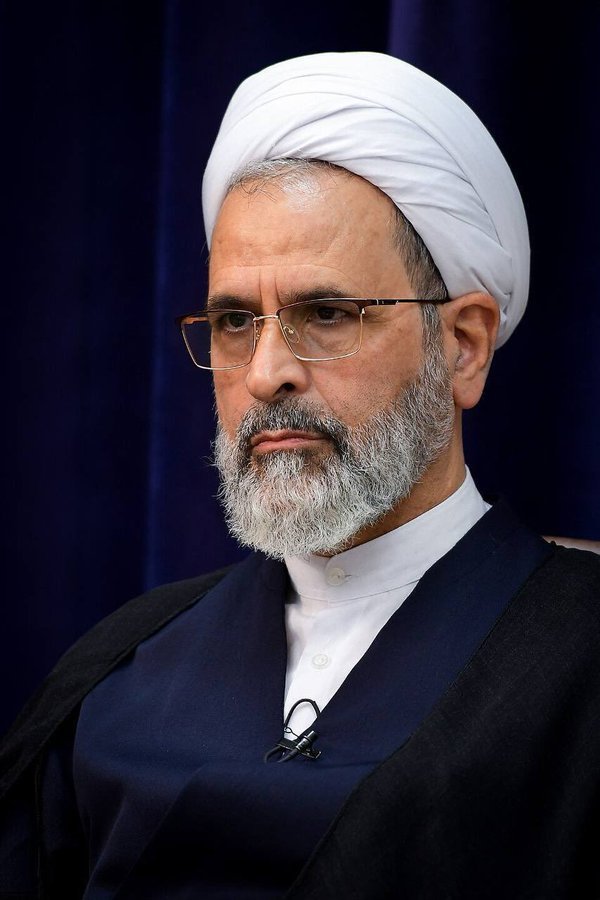
Senior cleric Alireza Arafi has been appointed as the jurist member of the interim council and will jointly exercise the Supreme Leader’s powers during the transition.
BY PC Bureau
March 1, 2026: Senior cleric Alireza Arafi will serve as Iran’s interim Supreme Leader following the killing of Ali Khamenei in a joint U.S.-Israeli airstrike on Tehran, according to Iran’s state-linked Islamic Students News Agency (ISNA).
After Khamenei’s death, Iran invoked Article 111 of its Constitution, initiating an emergency succession mechanism under which a three-member council temporarily assumes the Supreme Leader’s powers until a permanent successor is selected.
Arafi has been appointed as the jurist member of the interim council — a position drawn from the Guardian Council under the constitutional framework. His selection completes the three-man body tasked with exercising the authority previously held solely by Khamenei during the transition period.
Under this arrangement, Arafi will jointly lead the country alongside President Masoud Pezeshkian and Chief Justice Gholam-Hossein Mohseni-Eje’i. Together, the trio now holds Iran’s highest authority as the country navigates an unprecedented leadership crisis.
Born in 1959, Arafi is a senior figure within Iran’s clerical establishment. Prior to assuming the interim leadership role, he headed the country’s national network of Islamic seminaries, served as a clerical member of the Guardian Council, and sat on the Assembly of Experts — the body responsible for appointing and overseeing the Supreme Leader.
Separately, Iran’s Islamic Revolutionary Guard Corps (IRGC) announced a leadership change following the reported death of its commander-in-chief, Mohammad Pakpour, in weekend strikes. According to Iranian state media, Ahmad Vahidi has been appointed as the new IRGC chief.
READ: Iran Strikes Oil Tanker in Strait of Hormuz, Escalating Gulf Tensions
The IRGC remains one of Iran’s most powerful institutions, wielding significant military, political, and economic influence, and operates independently of the country’s regular armed forces.
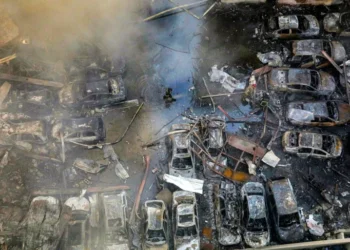
Khamenei, 86, had led Iran since 1989. He was killed in what officials described as a large-scale U.S.-Israeli military operation targeting military installations, government facilities, and senior leadership sites in Tehran, including locations linked to Defence Minister Amir Naserzadeh and IRGC leadership.
U.S. President Donald Trump and Israeli Prime Minister Benjamin Netanyahu were among the first international leaders to publicly announce Khamenei’s death. Iran initially denied the reports but confirmed his killing on Sunday morning (IST).
The country now faces a period of significant uncertainty as it confronts both external military pressure and a historic leadership transition.