The move follows the collapse of high-stakes peace talks, with Washington shifting from diplomacy to deterrence in one of the world’s most critical oil transit corridors.
BY PC Bureau
April 13, 2026:— The United States began enforcing a naval blockade on Iranian ports and coastal areas on Monday, sharply escalating tensions after weekend ceasefire negotiations with Iran collapsed.
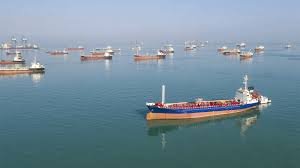
The blockade took effect at 10 a.m. ET, according to U.S. Central Command. President Donald Trump said the U.S. Navy would prevent vessels from entering or leaving Iranian territory via the strategic Strait of Hormuz. He warned that Iranian “fast attack ships” approaching the blockade zone would be sunk.
“Effective immediately, the United States Navy will begin the process of blockading any and all ships trying to enter or leave the Strait of Hormuz,” Trump posted on Truth Social. Officials clarified that the measure targets Iranian maritime traffic and will not interfere with vessels transiting the strait to or from non-Iranian ports.
JUST IN – Trump warns Iran that if any of their “fast attack ships” approach the blockade they will be “immediately ELIMINATED,” as the Iranian port blockade comes into force. pic.twitter.com/tbDK3mejyd
— Disclose.tv (@disclosetv) April 13, 2026
The move came hours after high-level peace talks in Islamabad, Pakistan, ended without agreement. The discussions, aimed at de-escalating the six-week conflict, broke down over disagreements on Iran’s nuclear program and regional influence.
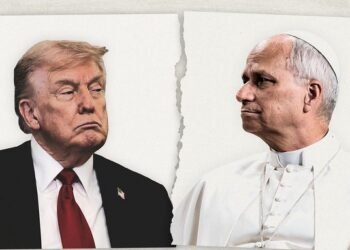
In a strongly worded response, Pope Leo XIV pushed back against criticism from Washington, declaring he has “no fear” of the White House and vowing to continue speaking out against the war.
READ: War, Death, Papal Criticism, and Trump’s “Jesus” Avatar
“God does not bless any conflict,” the Pope said, reiterating calls for dialogue and an immediate end to hostilities. Trump had earlier criticized the Pope’s stance, calling it “terrible for foreign policy.”
Global markets reacted sharply. Oil prices surged past $100 per barrel, with U.S. crude rising to about $101–103 and Brent crude also crossing the key psychological threshold. Major stock indices fell amid fears of energy supply disruptions and wider economic fallout.
Meanwhile, Israel has shifted its focus toward Lebanon during a fragile two-week ceasefire with Iran. Direct talks between Israeli and Lebanese officials are scheduled for Tuesday. A source familiar with the situation said Israeli military operations remain concentrated in southern Lebanon, where more than 2,000 people have reportedly been killed in strikes since early March.
Israel has indicated it will not negotiate a ceasefire with Hezbollah as part of the discussions, instead pushing for broader security arrangements with the Lebanese government.
The situation across multiple fronts remains highly volatile, with risks of further escalation in the Persian Gulf and along the Israel–Lebanon border. Officials in Washington, Tehran, and Jerusalem have yet to outline their next steps.