Kuki armed group UKNA has warned NSCN-IM to abandon what they describe as an “illusion of supremacy,” accusing the outfit of backing proxy arson attacks in Kangpokpi district and pushing Manipur’s hill areas toward renewed insurgent confrontation.
BY PC Bureau
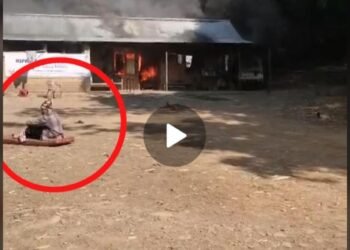
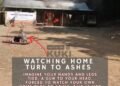
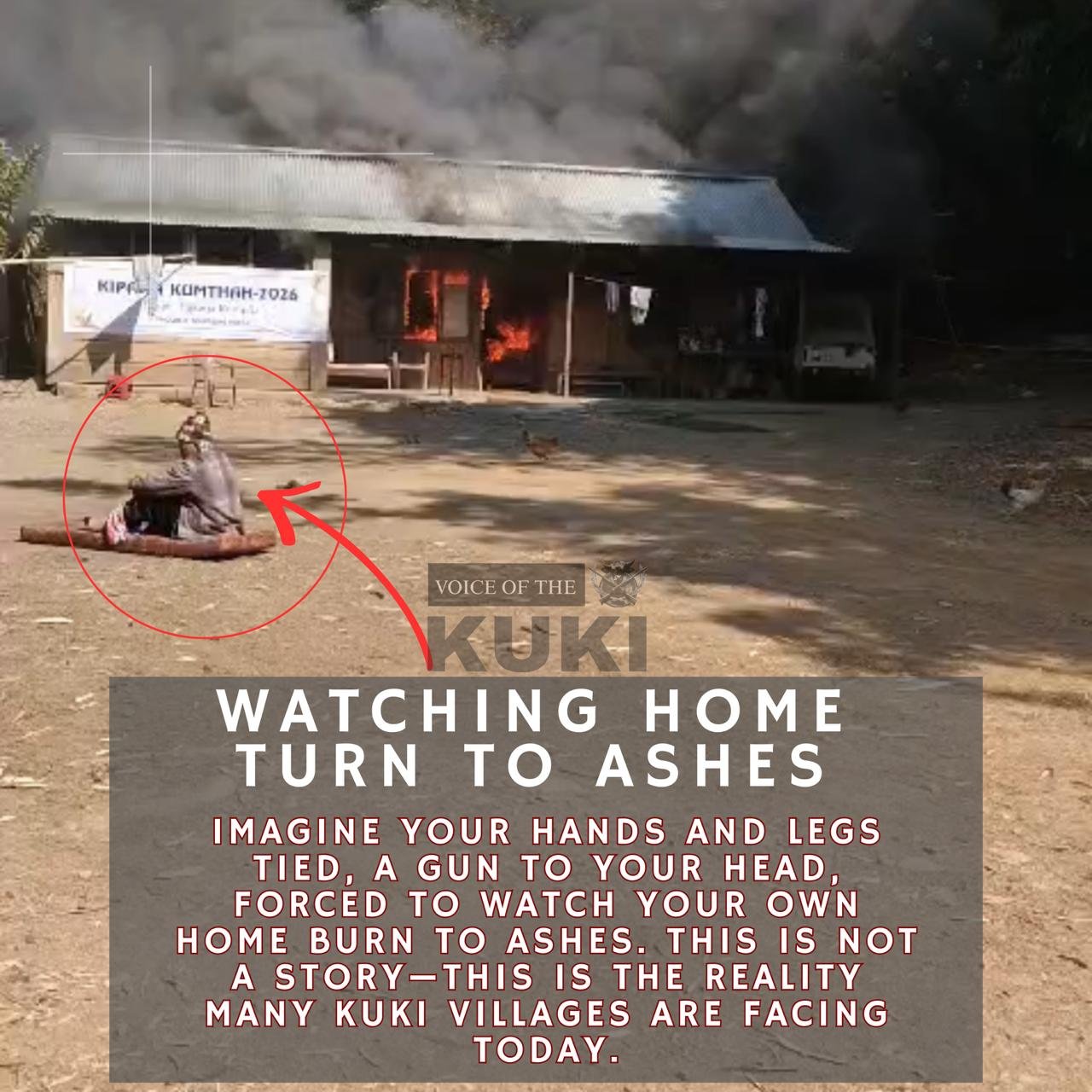
January 26, 2026: The torching of Kuki-Zo homes and farmhouses in K. Songlung (II) village on Republic Day has escalated tensions in Manipur’s already fragile hill districts, with Kuki-Zo organisations warning that the incident signals a dangerous slide toward organised proxy warfare involving rival insurgent groups.
Reactions from Kuki-Zo armed groups and civil bodies suggest the incident may mark a strategic turning point rather than an isolated act of violence.
In a strongly worded statement issued on Monday, the United Kuki National Army (UKNA) accused the Zeliangrong United Front’s Kamson faction of acting as a proxy force for the NSCN-IM, alleging that the attack fits a broader pattern of intimidation and territorial coercion under the guise of local enforcement actions.
Describing the burning of civilian structures as a “cowardly act,” UKNA warned that the use of proxy violence undermines any claim to political legitimacy and risks triggering retaliatory cycles in Manipur’s hill areas, where ethnic and territorial fault lines remain unresolved.
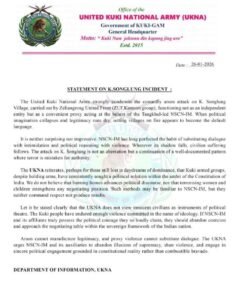
“The substitution of dialogue with intimidation and political reasoning with violence is neither new nor credible,” the group said, adding that arson and coercion cannot manufacture authority or advance constitutional negotiations.
The warning comes amid ZUF’s counter-claim that the arson was part of an anti-poppy cultivation drive—an assertion Kuki-Zo groups view with deep scepticism. Critics argue that such operations have increasingly become instruments of territorial assertion rather than genuine anti-narcotics campaigns, particularly in contested hill regions.
Kuki civil bodies echoed UKNA’s concerns. The Committee on Tribal Unity (COTU) issued a 24-hour ultimatum to the Manipur government, demanding visible action against those responsible and warning of intensified protests, shutdowns, and possible economic blockades if accountability is not enforced. The Sadar Hills Chiefs’ Association similarly called on ZUF to acknowledge responsibility and de-escalate.
Happening today in Manipur-
ZUF(Zeliangrong United Front) has burnt down K.Songlung Village with a pretext to propagate their evil actions. They arson and later justified their crime.
Nobody has the right to carry out such heinous crimes as these. #RepublicDay #Manipur pic.twitter.com/eX7ASQG9lQ— Alice Ngaipilhing (@haokip_alice) January 26, 2026
Despite heightened security patrols, the absence of arrests or official statements has fueled perceptions of administrative inertia, reinforcing fears that selective enforcement could embolden armed actors on all sides.
Analysts caution that the episode reflects a wider trend: the revival of inter-insurgent rivalries layered atop the unresolved Kuki-Zo–Meitei conflict. With multiple armed groups operating under overlapping political claims, even ostensibly local actions now carry wider strategic implications.
READ: Is a Proxy War Brewing in Manipur Hills Amid Official Silence?
“Once civilian spaces become theatres for proxy confrontation, the threshold for broader escalation drops significantly,” a security analyst noted. “That is the real warning embedded in this incident.”
As Manipur enters another volatile phase, residents of K. Songlung are left navigating not only the physical loss of their homes but the growing fear that symbolic violence—especially on national occasions—may become a tool of political messaging in the hills.
The state government has yet to issue a formal response, though officials say an inquiry is underway. For many on the ground, however, the silence is as unsettling as the flames themselves.