BY PC Bureau
January 22, 2026: Fresh tensions erupted in Kakching Khunou, Kakching district, following the killing of 31-year-old Meitei civilian Mayanglambam Rishikanta Singh in Churachandpur district. The incident has sparked widespread protests, road blockades, and a shutdown of shops, schools, and government offices in the area.
Rishikanta, a resident of Uchan Makhong Leikai, Kakching Khunou, had been living with his wife, Chingnu Haokip, a resident of Tuibong village in Churachandpur, since December 19, 2025, his family members told local media persons. He had returned from Nepal, where he had been employed, to celebrate Christmas and had reportedly obtained permission from local Kuki authorities to stay with his wife. Family members said that prior to the outbreak of ethnic violence in the state, Rishikanta had maintained close contact with his family, but communication had become irregular after tensions escalated.
According to the family, Rishikanta was allegedly abducted by three unidentified armed men on the evening of January 21, 2026, from his residence in Tuibong. His wife reported that both were forced into a four-wheeler; she was later pushed out of the vehicle, while Rishikanta was reportedly taken to a nearby hill area and shot dead. The family first learned of the killing after coming across a disturbing video circulating on social media and receiving confirmation from the victim’s wife.
While the motive behind the killing remains unclear, questions have been raised over how Rishikanta had been able to live in the heart of a Kuki-Zo population for over a month without attracting attention. Observers also noted that if he had been initially accepted by the local community, it is yet to be determined what triggered such a sudden and violent turn against him.
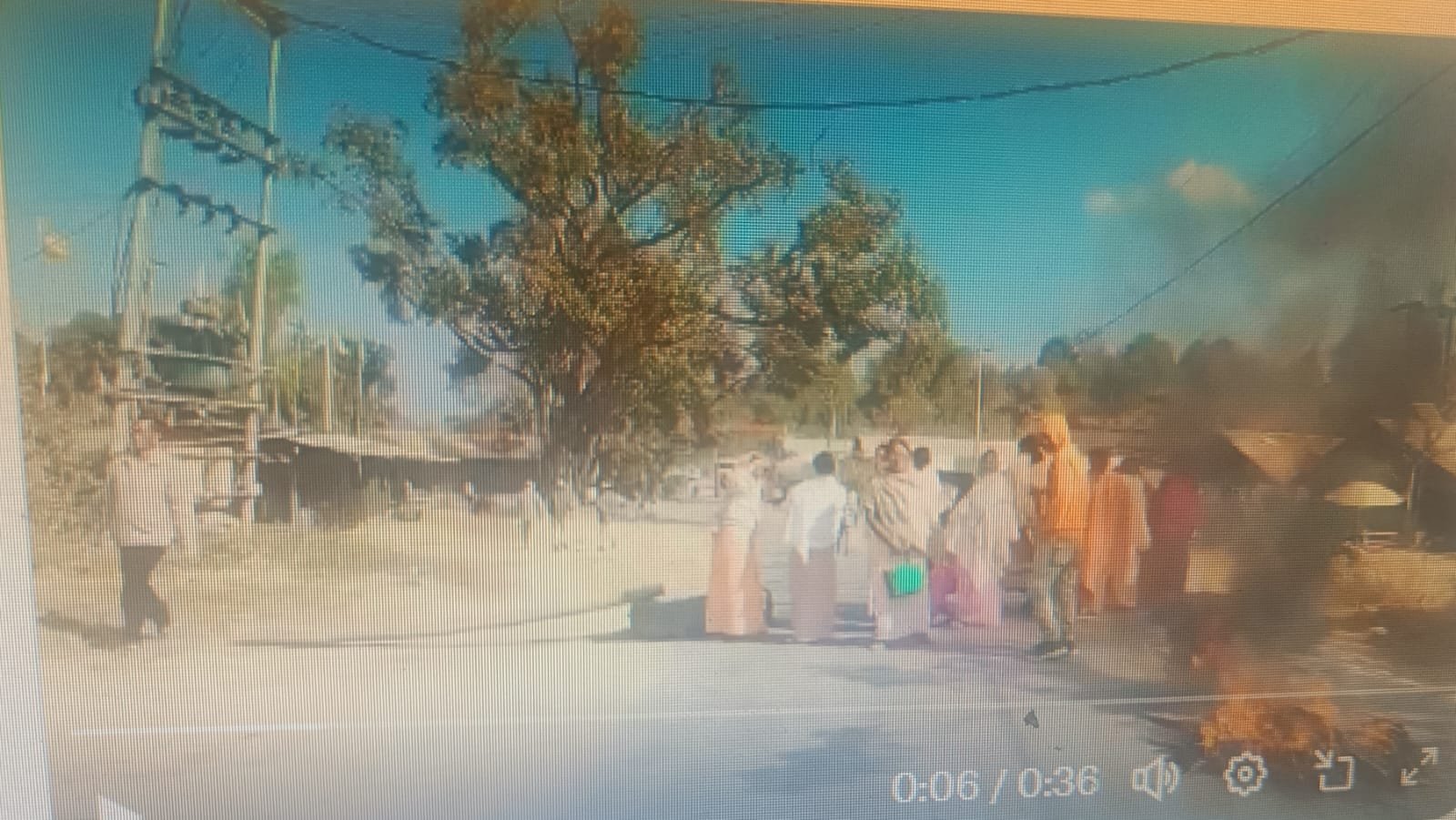
The killing sparked immediate outrage among locals in Kakching Khunou. Residents staged a road blockade along the Imphal–Sugnu Road, demanding justice for Rishikanta and calling for stronger security measures for civilians amid the ongoing ethnic unrest. Shops, business establishments, schools, and government offices remained closed as part of the protest.
Kakching erupts in protest over brutal killing of Meitei man in Churachandpur by Kuki militants. Total shutdown observed, locals burn tyres on roads and protest. #ManipurViolence #Manipur pic.twitter.com/y3czmvFO3T
— J.B Hazarika (@Bharadwaj_Joy) January 22, 2026
READ: Manipur Killing: JAC Demands Arrest of Kuki-Zo Woman
During the demonstrations, a Joint Action Committee (JAC) was formed to coordinate efforts for justice. The committee demanded that the case be handed over to the National Investigation Agency (NIA) to ensure a fair and transparent investigation. It also called for the immediate recovery of Rishikanta’s body, arrest of all involved in the killing, and exemplary punishment for the perpetrators.
At a sit-in protest organized by the Kakching District United Club Organisation and Khunai Kanba Meira Paibi Lup (KHUKAMPAL) II, local leaders expressed deep dissatisfaction with the prevailing law-and-order situation, despite the deployment of over 40,000 security personnel in the state. R.K. Laxmi, General Secretary of KHUKAMPAL, alleged that armed Kuki militants were reportedly moving freely in the region and carrying out attacks, and appealed to the Government of India to take immediate steps to protect civilians and restore peace. Laxmi also called for the safe return of displaced persons currently residing in relief camps so they could resume normal life.
The killing has drawn strong reactions from civil society groups and residents across the state. Critics have expressed concern over the government’s silence, noting that the Manipur administration, currently under President’s Rule, has yet to issue a public statement. Police officials confirmed that a case has been registered at Waikhong Police Station, and an investigation is underway to establish the sequence of events and identify the assailants.
The Joint Action Committee and local residents have indicated that public anger will continue to manifest through protests and public meetings until justice is delivered, reflecting the deep-seated anxiety over security and communal harmony in the region.