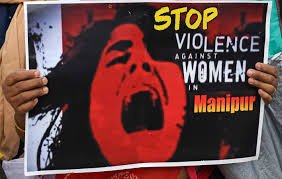
Abducted from an ATM booth in Imphal in May 2023, the Kuki-Zo woman survivor endured prolonged medical complications before succumbing while under treatment in Guwahati.
BY PC Bureau
January 17, 2026: A young Kuki-Zo woman who survived abduction and sexual assault during the early days of Manipur’s ethnic violence in May 2023 has died nearly three years later due to complications arising from the injuries she sustained, civil society groups said. She succumbed on January 10, 2026, while undergoing treatment in Guwahati.
The woman, whose identity has been withheld to protect her dignity, was around 18–19 years old at the time of the assault and approximately 20 years old at the time of her death. She was a resident of New Checkon colony in Imphal, a mixed-ethnic locality that witnessed heightened tensions following the outbreak of violence on May 3, 2023.
READ: From Mumbai to Pune, Saffron Surge Redraws Civic Power Map of Maharashtra
Abduction and Assault
According to survivor testimony and accounts compiled by community organisations, the incident occurred on May 15, 2023, when the woman went to an ATM booth in New Checkon to withdraw money. She was allegedly intercepted by members of the Meira Paibis, a Meitei women’s group, who reportedly assaulted her and questioned her identity.
She was later handed over to armed men allegedly linked to the Arambai Tenggol, a Meitei militia group. The attackers, reportedly dressed in black T-shirts and carrying firearms, blindfolded her, tied her hands, and transported her to multiple locations, including Wangkhei Ayangpali and Langol in Imphal.
Fearing police intervention in the city, the assailants later moved her to a remote hill area in Bishnupur district, where she was subjected to brutal gang rape and physical assault after resisting their demands. According to her account, she suffered cracked ribs, uterine injuries, and severe physical trauma, along with lasting psychological distress.
The woman was abandoned in critical condition but managed to escape and seek help. She received initial treatment in Manipur before being shifted to a specialised medical facility in Guwahati, Assam, due to the severity of her injuries.
Prolonged Suffering and Death
For nearly three years, the survivor battled chronic pain, recurring infections, and trauma-related health complications. Medical sources cited severe uterine damage and long-term trauma as contributing factors to her deteriorating condition.
Despite repeated appeals from civil society groups, no arrests were reported in connection with the case in the months following the incident, raising concerns over impunity. Her case became emblematic of broader allegations of sexual violence against Kuki-Zo women during the conflict, which displaced thousands and claimed more than 200 lives.
She died on January 10, 2026, while still under medical care.
ITLF Response
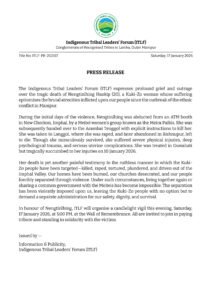
The Indigenous Tribal Leaders’ Forum (ITLF) described her death as a “grim reminder of unresolved atrocities committed during the Manipur violence.”
In a press release, the ITLF alleged systematic targeting of Kuki-Zo women and criticised the lack of accountability, stating that groups accused in multiple incidents continue to operate with impunity.
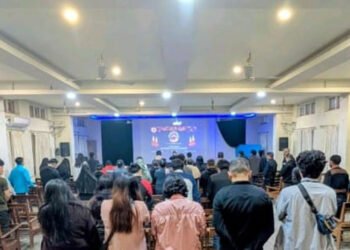
To honour the victim, the ITLF has organised a candlelight vigil on January 17, 2026, at 5:00 PM, at the Wall of Remembrance. The organisation has called on the public, human rights bodies, and the government to ensure justice for survivors, rehabilitation for victims, and concrete measures to prevent further violence.
The forum reiterated its demand for stronger federal intervention, stating that lasting peace in Manipur would be impossible without accountability for crimes committed during the conflict.