What began as protests in Iran over food, water and jobs has turned into a brutal crackdown, with children increasingly caught between security forces and raging unrest across Iran’s cities.
BY PC Bureau
January 12, 2026: For nearly three weeks, Iran has been engulfed in some of the deadliest unrest the country has seen in years — and while global headlines carry numbers and diplomatic warnings, the human reality on the ground is far more visceral, brutal, and harrowing.
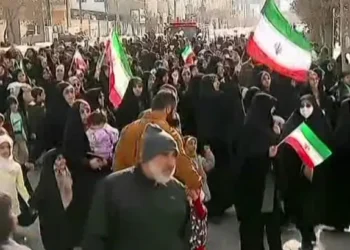
Across cities from Tehran to Mashhad and Isfahan, streets once bustling with daily life have become theatres of violence, where young protesters clash with security forces, families bury children they never expected to lose, and survivors beg for something as simple as a breath of fresh air. The unrest that began in late December 2025 as an outcry against economic collapse has surged into a nationwide revolt against theocratic control.
A Death Toll That Keeps Rising
Official figures remain vague, but rights groups inside and outside Iran report that at least 540 people have been killed and over 10,600 detained since the protests erupted on December 28. Among the dead are unarmed civilians, teenagers, and, according to activist records, several children.
Scenes circulating on social media — despite a near-total internet blackout imposed by authorities to suppress information flow — show medics struggling to treat shot victims, bodies piled outside overwhelmed hospitals, and grieving families forced into roadside burials because regular funeral rites have become too dangerous.
A mom is screaming: “Please get up, my child.” 💔
Horrifying footage from Kahrizak Medical Forensic Center in Tehran shows bodies lined up in body bags to be identified by families. https://t.co/6nsFOaHXPZ
— Bahar | بهار (@BGhandehari) January 11, 2026
One verified report detailed the killing of 23-year-old Rubina Aminian, a fashion student shot at close range during a demonstration in Tehran. Her family was reportedly denied permission to hold a proper funeral, forcing them to bury her by the roadside — a stark testament to the grim new realities faced by protesting families.
Protests in the Dark
The government’s strategy to blackout the internet and phone networks has made transparent reporting almost impossible. Videos that do reach global audiences are often grainy, hurriedly smuggled out by activists using limited satellite connections.
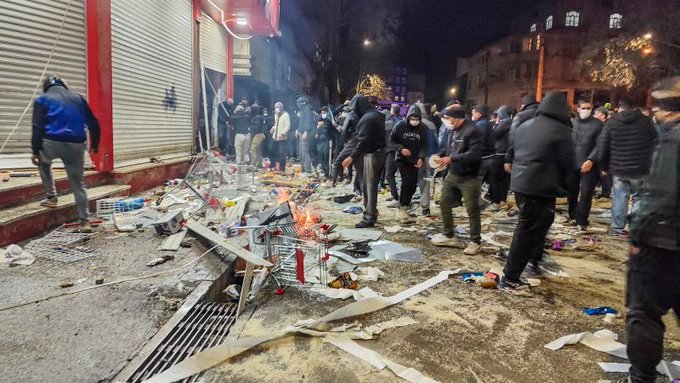
Despite these disruptions, footage verified by independent sources shows barricaded streets, burning vehicles, and protesters taking cover as security forces advance with live ammunition. In some districts of Tehran and Mashhad, demonstrators have briefly seized control of roads and intersections before being met with overwhelming force.
READ: Shots in the Dark, Screams in the Alleys: Iran’s Deadliest Unrest in Decades
WATCH: Rioters/Terrorists throw Molotovs at little Iranian kids in Sabzevar, Khorasan province pic.twitter.com/ggSD5oxBId
— Arya – آریا (@AryJeay) January 10, 2026
Children and Young People on the Frontlines
What sets this wave of unrest apart — and what has shocked international observers — is the number of children and young adults on the frontlines, many chanting slogans of freedom and reform, others pleading simply for respite from bullets and tear gas.
Activists report that several minors are among the casualties, and hospitals have treated young people shot with live rounds and metal pellets. In some cases, parents have lost multiple children, and friends of the wounded speak of fear so intense that adolescents beg simply to be moved to safety or allowed to breathe without choking on tear gas.
Voices Silenced, Stories Unseen
Amid the chaos, ordinary families tell stories of unimaginable desperation: homes sealed off by security forces, loved ones detained without charge, and widespread fear that anyone — even children — could be targeted for simply protesting.
With internet access severely restricted, many of these personal testimonies reach the outside world only via limited satellite links or messaging apps used by families that manage to slip through the blackout.
One Tehran resident told a journalist off the record that demonstrations have taken on a surreal quality: “You hear gunfire for blocks, ambulances can’t reach us reliably, and the children are coughing from tear gas. Some just cry, begging for fresh air because the smoke is unbearable.”
Global Echoes, Local Suffering
International reactions have ranged from condemnation to diplomatic threats. Western leaders have criticised Tehran’s crackdown, while Iran’s leadership has blamed foreign interference for stoking unrest and vowed to defend national sovereignty.
Yet amid this geopolitical noise, the true cost is measured in hospital beds, mass graves, and families shattered by bullets — realities that most global headlines don’t convey.
A Movement That Refuses to Die
What began as protest against plunging living standards has transformed into a broader cry for political freedom and reform. Teenagers who once feared speaking out now chant defiant slogans against the clerical leadership. Parents who worried only about rising prices now fear for their children’s lives. The Iranian rial’s collapse and widening economic crisis may have ignited the spark, but the fire is now consuming the social fabric of the nation itself.
As the world watches from afar, intercepted videos and whispered testimonies tell a chilling story: of children begging for air, of families buried in secrecy, and of an entire generation caught between hope and horror.