KOHUR reminded President Murmu of state complicity in the burning of villages, killings, and sexual violence, calling it a documented humanitarian crisis—not mere clashes.
BY PC Bureau
December 12, 2025 — The Kuki Organisation for Human Rights Trust (KOHUR) has sharply criticized President Droupadi Murmu’s visit to Manipur, calling it an act of “profound symbolic violence” and an institutional attempt to erase the Kuki-Zo tribal people from India’s conscience.
In a press release issued on Friday, KOHUR said the President’s decision to avoid Kangpokpi — described as the “humanitarian epicentre” where more than 50,000 Kuki-Zo people remain displaced — reflects a deliberate political message. “Her visit will not be remembered as reconciliation but as abandonment,” the statement reads.
KOHUR alleged that since May 2023, state machinery in Manipur has enabled “systematic burning” of Kuki-Zo villages, killings of civilians, and sexual violence against women. These are not clashes, they said, but “documented crimes against humanity” sanctified by silence from the highest offices.
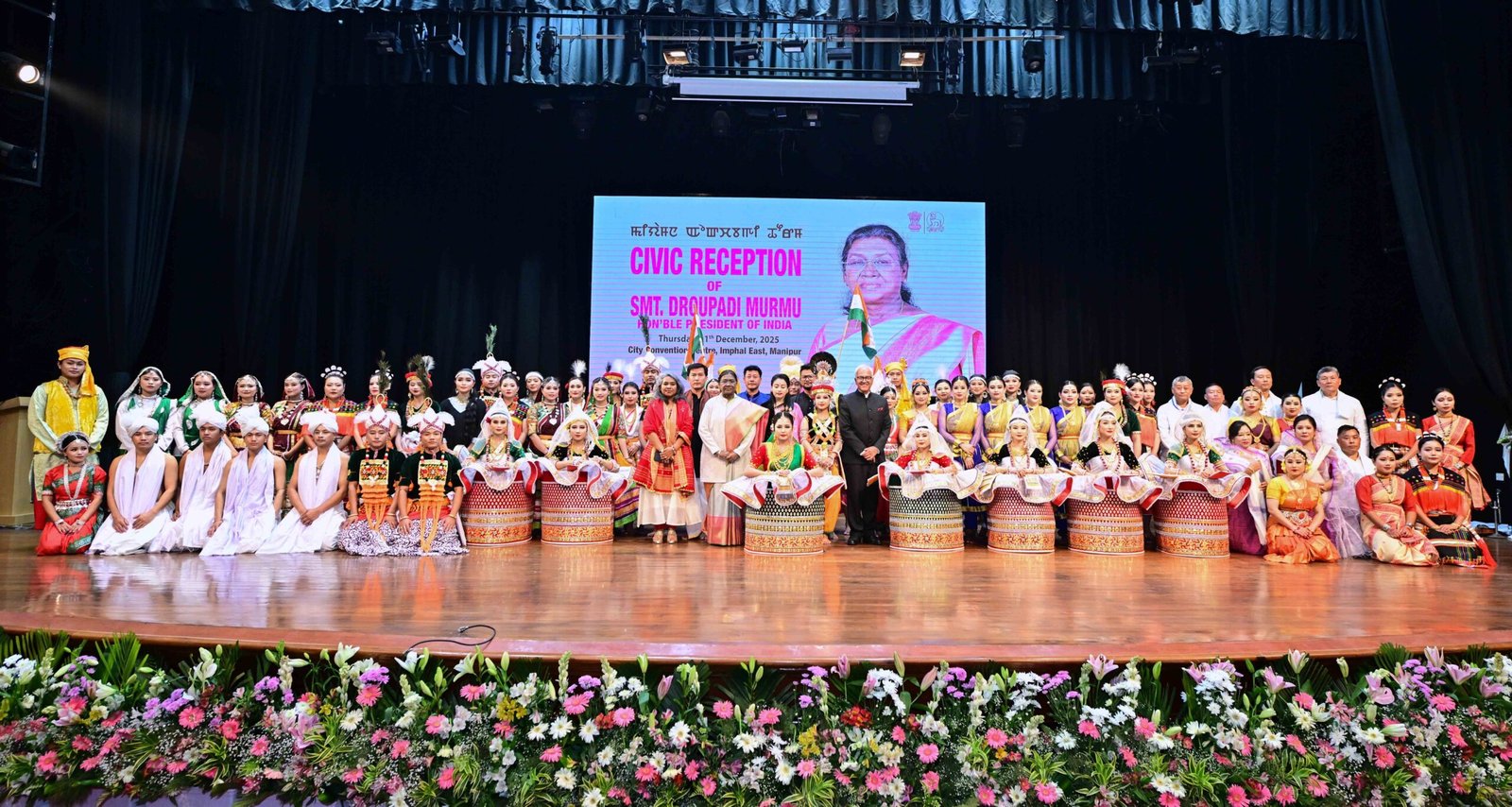
The organisation criticised the President’s itinerary, which focused on Meitei historical narratives in Imphal and developmental projects in Naga areas. KOHR said the route amounted to “deliberate political choreography” that reinforced the majoritarian narrative driving the ongoing violence.
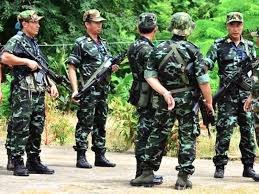
READ: PLA Owns Up to Drone Attacks on Assam Rifles in Manipur
READ: Analysis — Prez Murmu’s Assurances vs Manipur’s Reality
READ: Kuki Bodies to Stay Aaway from President’s Event Over Ignoring Their Suffering
The group also condemned the government’s plan to close displacement camps by December, calling it a “death sentence” rather than a policy. “It is an attempt to forcibly disappear evidence of its failure by scattering survivors back to ashes and armed mobs,” KOHUR claimed, adding that it violates the UN Guiding Principles on Internal Displacement.

KOHR justified the boycott call giventhe Kuki Inpi Sadar Hills (KISH) and allied, arguing that participation would “legitimize a process that seeks to bury our agony under ceremonies and cheques.”
Appealing to the United Nations, global media, and international human rights bodies, KOHUR said a “slow-motion genocide” was unfolding in Manipur and urged pressure on New Delhi to:
- Immediately halt the forced closure of IDP camps.
- Facilitate an independent international investigation into alleged atrocities.
- Initiate neutral, inclusive political talks to address the crisis and ensure community survival.
The communiqué ends with a direct message to President Murmu, accusing her of turning away from victims in their darkest hour. “That choice will remain a stain on your office,” KOHuR said, adding that despite being “snubbed today,” the Kuki-Zo people “will not be vanished.”