During the debate on Vande Matram in Lok Sabha, Congress leader Gaurav Gogoi said the BJP frequently questions others’ nationalism while offering “no clarity” about its own historical role.
BY PC Bureau
New Delhi, December 8, 2025 — A special 10-hour Lok Sabha debate marking the 150th anniversary of Vande Mataram turned sharply confrontational on Monday, as opposition parties—led by the Congress and Samajwadi Party—accused the government of politicising the national song and deflecting attention from urgent national issues.
The session, which began at noon, saw eight Congress MPs and several opposition leaders credit Vande Mataram as a unifying force in the freedom struggle while questioning the BJP’s historical legacy and governance priorities.
Congress Deputy Leader in the Lok Sabha Gaurav Gogoi opened the opposition’s counter-charge with a 20-minute speech directly challenging the government’s narrative. Accusing Prime Minister Narendra Modi of “trying to politicise Vande Mataram,” Gogoi insisted it was the Congress that had “upheld the national song in its true spirit” during the independence movement.
‘Vande Matram’ was used to create fear among the British and to motivate Indians in their fight for freedom.
What did the political ancestors of the BJP do to support that fight? They appealed to people not to participate in the Quit India movement.
— Congress Deputy Leader… pic.twitter.com/eDCE4zkc0L
— Saral Patel (@SaralPatel) December 8, 2025
He traced its origins to Bankim Chandra Chatterjee’s 1882 novel Anandamath and recalled its prominence during the 1905 Swadeshi Movement. Asking, “Where were the BJP’s political ancestors during the anti-British fight?” he cited how Vande Mataram became a rallying cry for revolutionaries including Aurobindo Ghose and Bipin Chandra Pal—so powerful that British authorities banned the slogan between 1905 and 1908.
READ: Modi Accuses Congress of Echoing Jinnah on Vande Mataram
READ: Hyderabad Plans Trump Avenue, Google Street, Microsoft Road
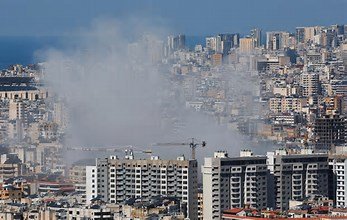
Midway, Gogoi shifted to contemporary concerns, invoking allegations of “vote chori”, the December 5 Delhi blast that killed 12 and injured over 50, and the rupee’s fall to 85.42 per USD as of December 7. BJP members immediately objected, prompting presiding officer Jagdambika Pal to remind him to “stay on the topic,” leading to brief disruptions.
Samajwadi Party chief Akhilesh Yadav praised the song for “shaking the British” and creating a “religion of patriotism.” He then pivoted to governance failures, arguing, “It is more important to act than to just sing.” Citing provisions from the Constitution drafted by B.R. Ambedkar, he questioned the government’s commitment to social justice.
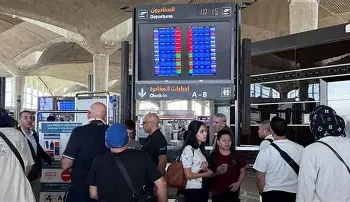
Yadav also highlighted the economic squeeze on daily life—pointing to air ticket prices crossing ₹50,000 amid the ongoing IndiGo flight crisis, which has cancelled over 100 flights because of a severe pilot shortage. “A ticket costing fifty thousand—what direction is the country heading in?” he asked, drawing applause from the opposition.
Notably, Rahul Gandhi and Priyanka Gandhi Vadra were absent for portions of the debate. Outside Parliament, PDP leader Mehbooba Mufti criticised the government on X, calling the debate “empty symbolism” while thousands of stranded IndiGo passengers waited for relief.
The Winter Session (Nov 25–Dec 19) has already recorded 60% productivity, hampered by opposition protests over electoral reforms and the Special Intensive Revision of electoral rolls. Demands for transparency in the Delhi blast investigation—where the NIA has detained three suspects—continue to sharpen political fault lines as the session progresses.