COPTAM(KH) highlighted that the Kuki tribes have been recognised as Scheduled Tribes under the 1950 ST Order, protected under Articles 342 and 371C of the Constitution.
BY PC Bureau
December 5, 2025: Manipur’s fragile ethnic dynamics have come under the spotlight again after two contrasting narratives emerged over the status and migration of the Kuki community. The Committee on Protection of Tribal Areas Manipur (Kuki Hills) — COPTAM(KH) — has trashed allegations that Kukis are “illegal immigrants,” while four major Naga tribes wrote to Prime Minister Narendra Modi urging immediate action to curb what they described as an uncontrolled influx of Kuki-Chin people from neighbouring Myanmar.
In its rejoinder, COPTAM(KH) called such claims “constitutionally unsustainable, legally impermissible, historically false, and communally dangerous.” The organisation criticised political statements and media reports portraying the Kuki community as non-indigenous, saying these relied on manipulated interpretations of census data and ignored the constitutional protections in place for more than seven decades.
COPTAM(KH) emphasised that Kuki tribes have been recognised as Scheduled Tribes in Manipur under the Scheduled Tribes Order of 1950, listed as “Any Kuki Tribe.” The committee noted that Article 342 of the Constitution provides that only the President, with Parliament’s approval, can modify the list. No state government, civil group, or individual has the authority to question or reinterpret this status. “Branding Kukis as foreigners is constitutionally meaningless and legally void,” the statement read.
READ: IndiGo Turmoil May Last Ten More Days; Centre Orders Probe
READ: Tharoor Invited to Putin State Dinner; Rahul Gandhi, Kharge Left Out
The organisation also highlighted that describing a constitutionally recognised Scheduled Tribe as “illegal migrants” may constitute offences under the SC/ST (Prevention of Atrocities) Act, 1989. Such allegations, it said, contribute to a hostile environment and violate Articles 15 and 17, which prohibit discrimination and untouchability. COPTAM(KH) further cited historical census data from 1881 to 1951, showing natural population growth among the Kukis, driven by improved enumeration and administration in hill areas rather than immigration.
COPTAM(KH) Seeks Intervention of NCST and Union Ministries
The organisation has urged:
- The National Commission for Scheduled Tribes (NCST) to investigate defamatory accusations
- The Union Tribal Affairs Ministry to issue clarifications confirming longstanding recognition
- The Union Home Ministry to act against what it called “provocative misinformation”
According to COPTAM(KH), such campaigns threaten not only constitutional protections but also social stability.
In parallel, four Naga tribes constituting the Joint Tribes Council Manipur wrote to Prime Minister Modi expressing concern over the “unchecked and growing influx” of Kuki-Chin migrants from Myanmar in recent years. The tribes claimed the inflow has strained local resources, altered settlement patterns, and threatened the cultural identity, economic stability, and traditional livelihoods of indigenous Naga communities. They also raised security concerns, alleging involvement of migrants in poppy cultivation and protection by well-armed underground groups, alongside illegal taxation of commercial vehicles and construction of inter-village roads without consent of the indigenous population.
The council warned that these developments have created fear among Naga residents, describing some as “refugees in their own homeland.” They also linked the increased political representation of Kuki-Chin MLAs to these demographic changes, a claim directly rejected by COPTAM(KH), which argued that legislative representation reflects constituency-based inclusion rather than population growth.
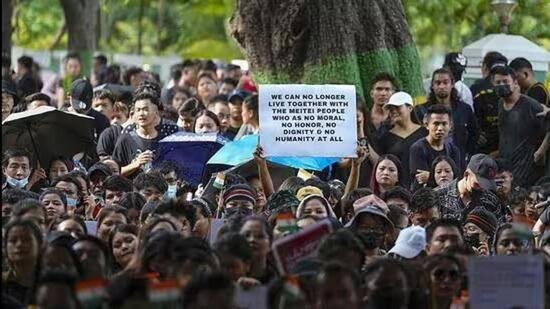
As both sides cite constitutional, historical, and demographic arguments to justify their positions, observers warn that unchecked rhetoric risks inflaming inter-tribal animosities and destabilising the region further. With Manipur’s socio-political fabric already strained by decades of ethnic conflicts, the next steps by the Centre will be critical in ensuring peace, legal clarity, and equitable governance in the hill districts.